
Trade Fair Market And Competitor Analysis
A prioritised market shortlist, competitor calendar and a reason for each first-wave recommendation.
 Request proposal





































International growth partner for trade fair organisers
Define priority markets and product sectors with us. We research suitable companies, tailor invitations, track replies and turn exhibitor enquiries and B2B meeting workflows into actionable records for your sales team.
These steps describe the service workflow, not guaranteed commercial outcomes.
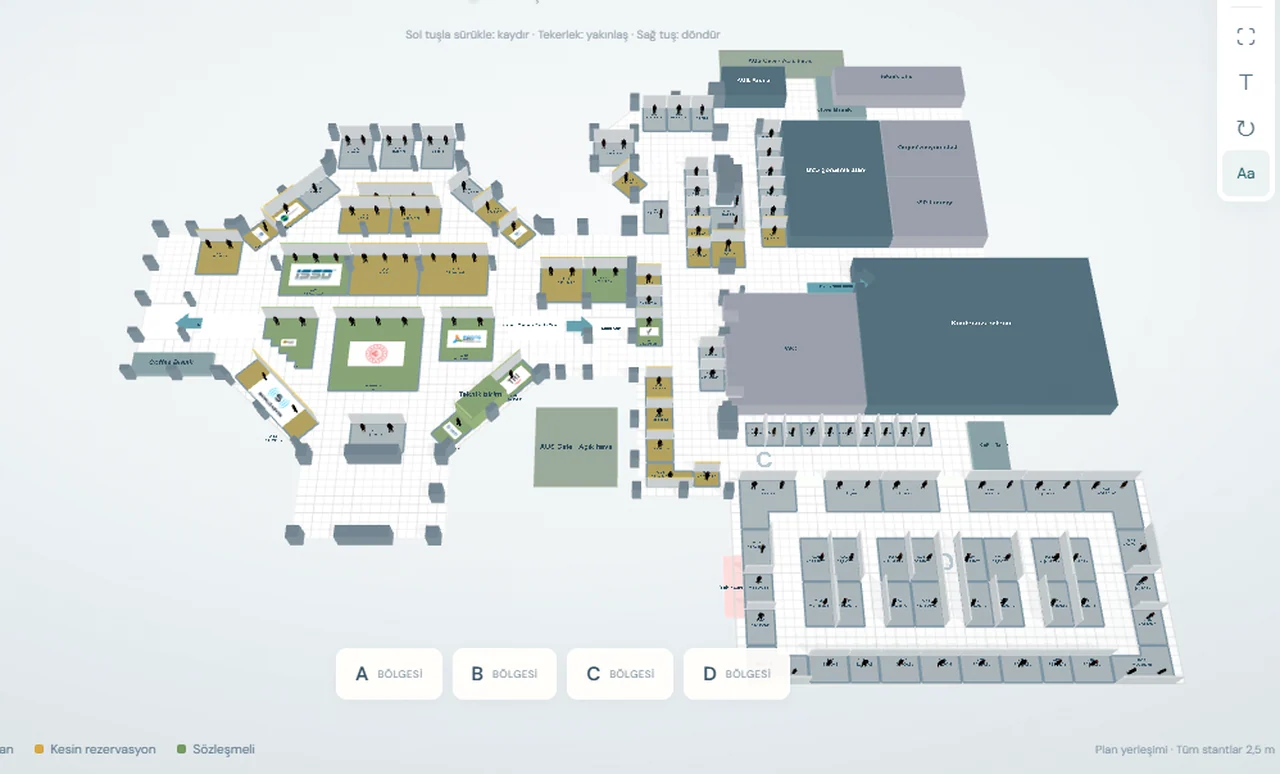
Illustrative 3D hall preview, not an official availability or stand-allocation map.
PUBLISHED DIGITAL EVENT EXAMPLES
Explore live pages in three different industries. Review the content, branding, 3D hall discovery and exhibitor narrative for yourself.
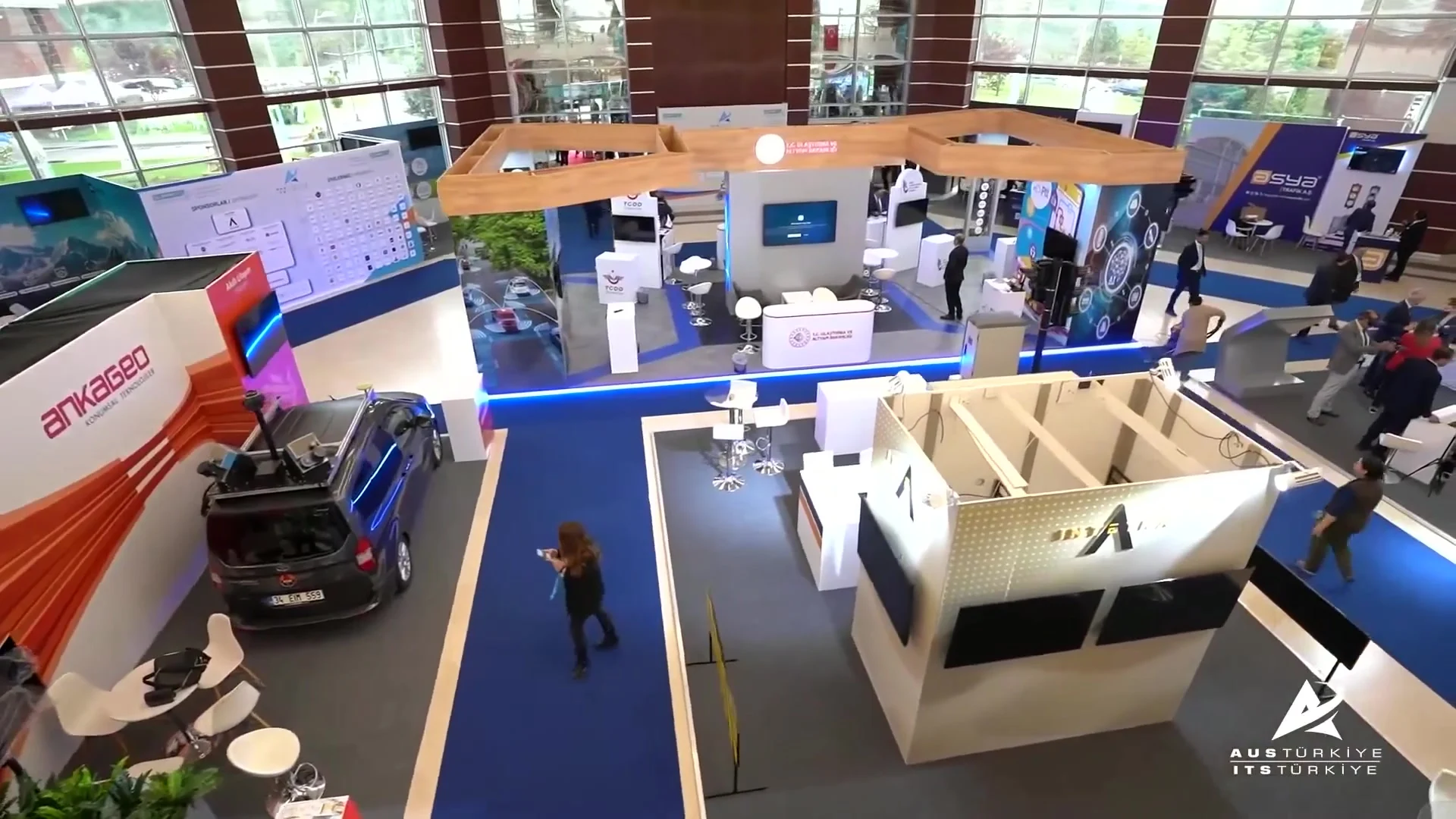
A congress presentation centred on relevant authorities, mobility technologies and sector fit.
Explore live page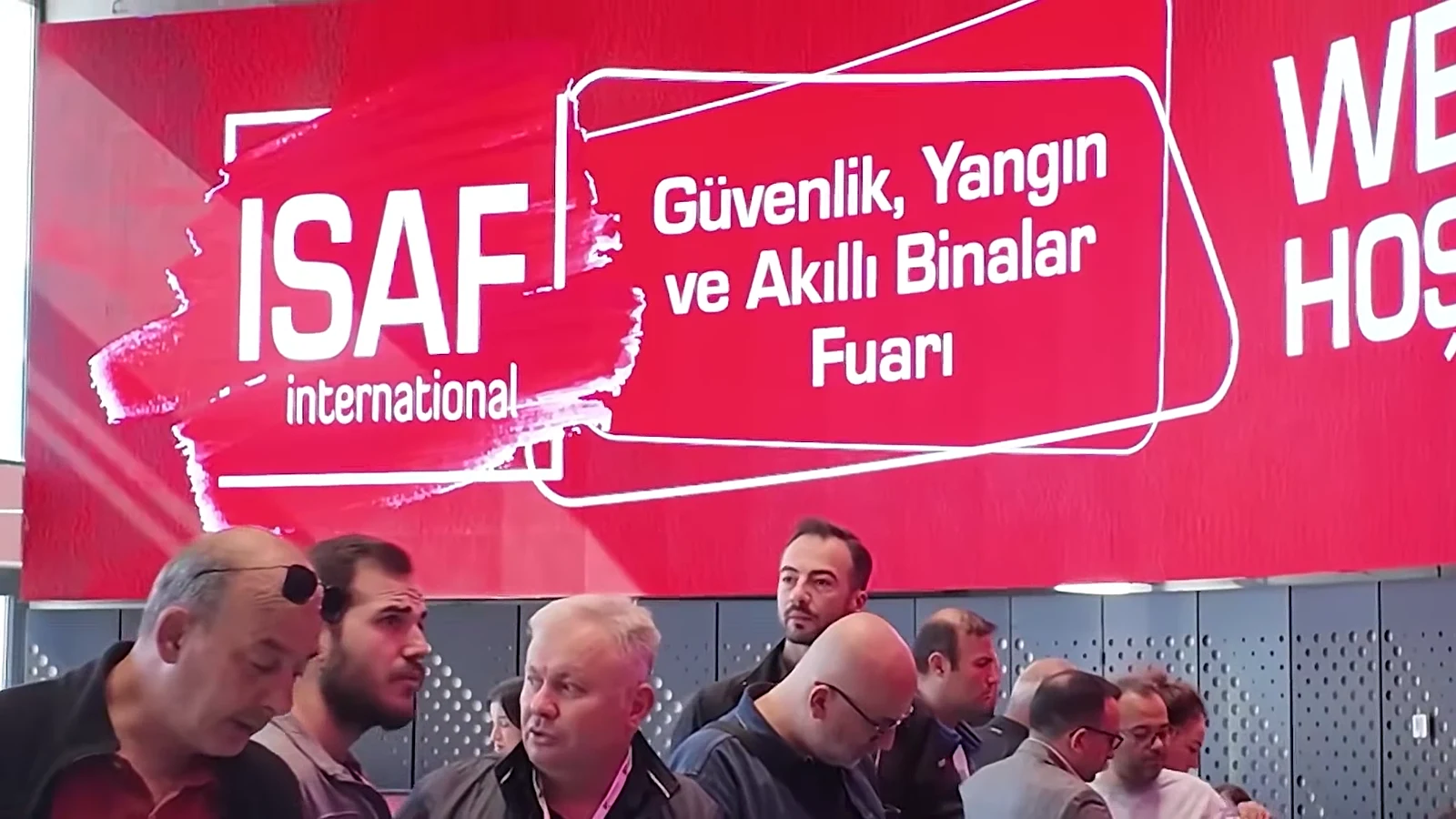
Security solutions, previous exhibitor information and 3D floor discovery.
Explore live page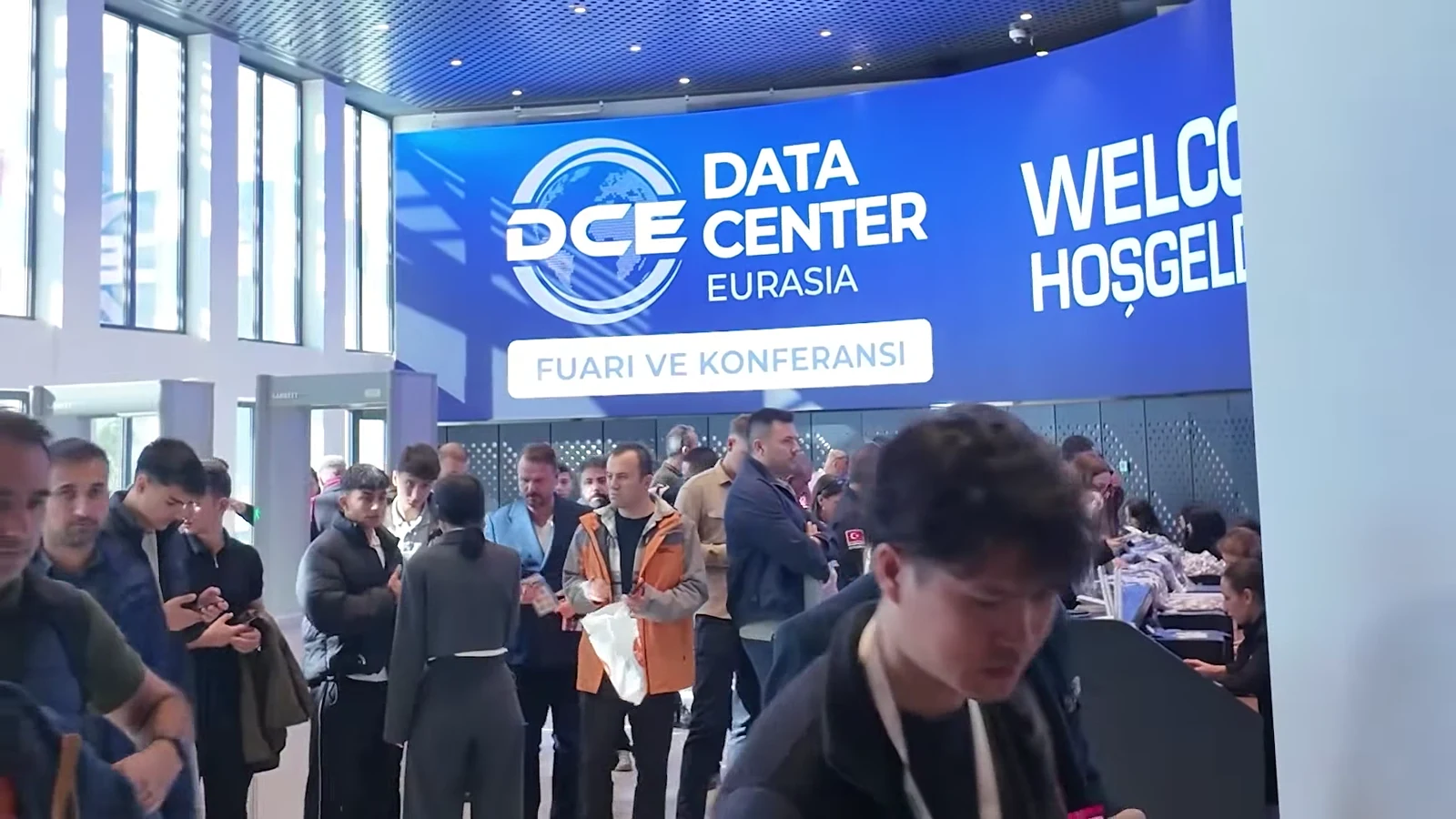
Digital infrastructure sectors, technology content and an event archive.
Explore live pageThese links demonstrate published website experiences. They are not proof of stand sales, buyer recruitment numbers or campaign performance.
A prioritised market shortlist, competitor calendar and a reason for each first-wave recommendation.
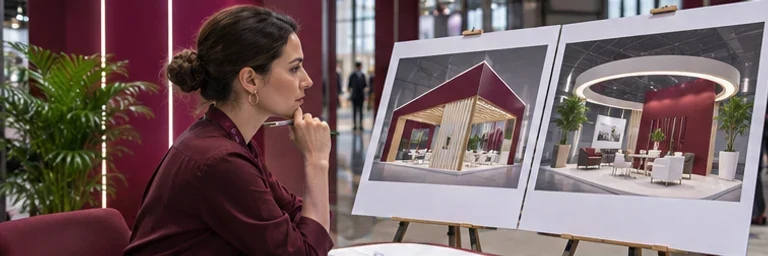
Distinct propositions for exhibitors, buyers and sponsors, with opening messages your sales team can use.

An exhibitor and buyer shortlist with sources, qualification notes and verification status.

Market-specific messages, a local channel shortlist and an outreach calendar informed by replies.

Qualified stand enquiries with conversation history, commercial context and an agreed next action.
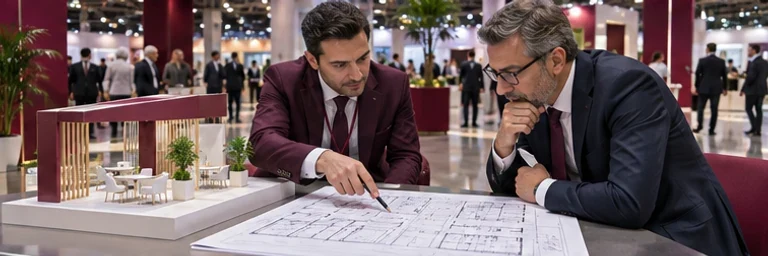
Floor-plan sales material, a stand enquiry form and follow-up from enquiry to proposal.
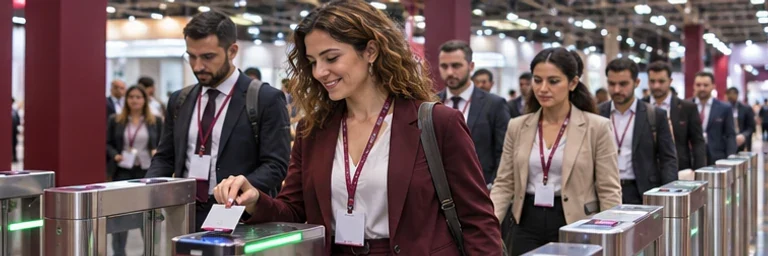
Audience-specific invitations, registration and reminder sequences, and a channel-level attendance review where data permits.

Buyer profiles that record sourcing needs, invitation status, confirmation and meeting preferences.

A matched shortlist, bilateral confirmations, meeting diary and post-meeting follow-up.

A partner shortlist, co-branded announcement kit, publication calendar and registration tracking.

A rights inventory, sponsor-specific proposal material and a pipeline of commercial conversations.

A campaign concept, channel-ready creative, approval responsibilities and a publishing schedule.

An objective-led media plan, conversion tracking and reporting on the cost of a valid enquiry.
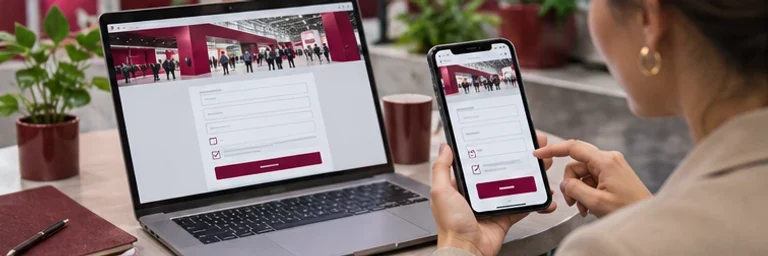
Dedicated landing pages, short forms, team routing and a measurable registration journey.

Company-specific invitations, reply-led follow-up sequences and conversation records ready for your team.
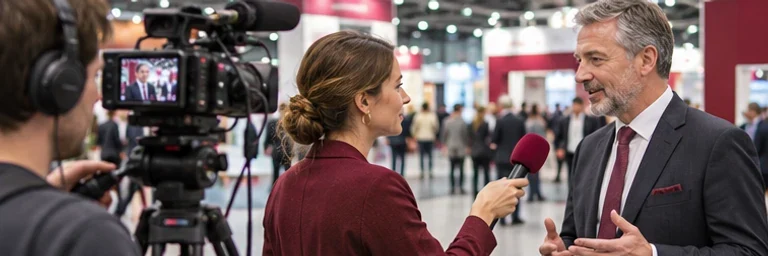
News angles, a targeted media list, press material, interview planning and coverage tracking.

Adaptable exhibitor artwork, customer invitations and attributable registration links.

A daily coverage plan, approved show-floor content and a reusable event library.

Channel and audience results, commercial feedback and a decision list for the next edition.

An exhibitor rebooking shortlist, personalised return invitations and a dated sales follow-up plan.
We collect logos, catalogue entries and badge lists against one deadline calendar.
Show prospects stand options dressed in their own branding.
Pass each visitor’s product interest and requested next step to the sales team.
Coordinate speaker invitations, presentation deadlines and the stage schedule.
Visitors find halls, companies and sessions on their phones in their own language.

Find out how AI answers buyers’ exhibition questions in your target markets.
We work with B2B trade fair organisers in Türkiye and abroad on agreed scopes ranging from market research to exhibitor and visitor acquisition.
1. Market and competitor analysis · 4. Local market promotion · 5. Exhibitor acquisition · 7. Professional visitor acquisition
Yes. You can start with target company research and decide whether to add outreach, CRM or advertising once you have reviewed the list.
3. Target company and buyer lists · 13. Digital advertising management · 15. Email and CRM campaigns
Yes. For a single fair, we can research companies across one or more countries, send email invitations, follow up on replies and arrange B2B meetings. When requesting a proposal, tell us where the show takes place and which markets you want to reach.
4. Local market promotion · 7. Professional visitor acquisition
Yes. We distinguish a company considering a stand from a buyer sourcing products or suppliers, then tailor messaging and follow-up for each group.
5. Exhibitor acquisition · 8. VIP buyer recruitment · 9. B2B matchmaking and appointments
Start with your industry, dates, venue, target markets and main priority. Data from past editions can help define the scope and how to measure it.
1. Market and competitor analysis · 2. Trade show brand positioning · 19. Performance measurement and reporting
We track conversations, stand enquiries, visitor registrations and attendance separately. Reporting scope depends on available data and the records the organiser can provide.
6. Booth sales marketing support · 7. Professional visitor acquisition · 19. Performance measurement and reporting
For trade show market analysis, sample companies in the same product category in both countries. Check buying cycles and ask distributors when they review suppliers. Use the first invitation wave to test the stronger market before committing the rest of the budget. For an agricultural machinery fair, one country might offer many prospective exhibitors while another has importers actively seeking dealers. Use trade show competitor analysis to score these opportunities separately. Show the organiser the evidence behind each choice, the gaps in the sample and the finding that would justify switching the campaign budget.
Explore this service →Trade show market analysis ranks target countries by the concentration of manufacturers and buyers. Trade show competitor analysis shows which events already attract those audiences.
Our trade show market analysis compares sector data with company interviews. Exhibition visitor demand research tests buyer interest in the product categories and proposed dates.
Trade show competitor analysis identifies the product categories where comparable events are strongest. Exhibition visitor demand research reveals procurement teams the show has yet to reach.
Trade show market analysis compares production and import patterns across countries. Trade show competitor analysis examines where comparable events in those countries draw their exhibitors from.
Trade show market analysis checks how much of the sector actually fits the target product category. Exhibition visitor demand research identifies the businesses buying within that category.
Trade show competitor analysis checks the period and visitor definition behind the published total. Exhibition visitor demand research assesses the audience by purchasing role.
Trade show market analysis identifies complementary categories. Trade show competitor analysis shows where other events place those categories and which exhibitors they attract.
Trade show market analysis examines buyer locations and transport links. Exhibition visitor demand research tests how travel time and the cost of attending affect buyer decisions.
Trade show competitor analysis flags events scheduled for the same weeks. Exhibition visitor demand research checks when buyers are sourcing products and when they can travel.
Trade show market analysis records sources and data gaps. Trade show competitor analysis compares verifiable exhibitor directories and floor plans and flags figures that remain uncertain.
Trade show market analysis shows which countries and sectors are worth testing first. Exhibition visitor demand research explains which buyer groups to prioritise in the invitation campaign.
Trade show competitor analysis identifies differences worth highlighting in campaign messages. Exhibition visitor demand research informs the reason to attend and the first outreach channel for each buyer group.
Our trade fair competitor research services compare floor plans and exhibitor lists using the same product categories. The organiser can then see which exhibitors appear at both events and may face a choice between them.
A feasibility file should separate fixed costs, variable costs, revenue assumptions and evidence of demand. A trade show feasibility report is stronger when it compares competing events on a like-for-like basis: dates, hall capacity, exhibitor mix, visitor roles and stand rates. An exhibition market intelligence agency approach also records the source and date of each figure, so estimates are not mistaken for verified facts.
For an industrial machinery show, projected sellable floor space, the number of manufacturers interviewed and the purchasing roles expected among visitors should be modelled separately. Exhibition visitor demand research consultancy should not turn the population of a country into a visitor forecast; it should identify relevant buyers, distributors and technical decision-makers within the actual product category.
Organisers should review low, base and high scenarios for occupancy, average stand size, sponsorship income and the break-even date. Unverified assumptions must be labelled and tested through a small invitation wave or exhibitor interviews. This makes the investment decision depend on measurable thresholds rather than a single optimistic estimate.
A trade show feasibility report models stand revenue under low, medium and high occupancy. We separate venue, sales and promotion costs to estimate how much space must be sold to break even.
We compare more than calendar overlap. exhibition competitor benchmarking maps event dates, venue capacity, exhibitor mix, visitor roles, travel access, ticket and stand price levels, and the buying cycles served by each show. B2B trade show competitor analysis separates published facts from estimates, using organiser exhibitor lists, association calendars and available post-show reports. An exhibition market research consultancy should also test whether two events serve the same product categories or merely share a broad industry label. This prevents a superficial comparison based only on event names.
Where evidence is incomplete, we mark the gap rather than invent attendance or revenue figures. For example, one event may attract procurement directors while another serves distributors; those audiences can overlap without being identical. The organiser can compare audience fit, repeat-exhibitor potential, date options, operating cost and a defensible point of difference. The deliverable should show sources, assumptions and decision criteria so the board can approve a launch, a pilot or a revised date.
Research for a new industry starts by mapping product categories, producer concentration, import and export flows, buying cycles and existing events in one consistent view. Exhibition market research should not rely on the apparent size of a sector alone; it must estimate how many companies could realistically exhibit, what buyers need and which competing events already serve them. A trade show feasibility report turns those findings into explicit assumptions.
For example, a proposed industrial packaging event requires more than a count of manufacturers. The team should identify companies seeking suppliers, the countries they buy from, the shows they already attend and the roles involved in purchasing decisions. International trade show market analysis compares those signals by country, product group and buyer profile so the organiser can see where a credible opportunity may exist.
Before committing budget, the organiser should review source dates, sample size, competitor calendars and the confidence level of each estimate. Interviews, verified companies and potential exhibitors must be reported separately, with duplicate accounts removed. The result is not a promise of attendance or sales; it is a documented basis for deciding whether to proceed, revise the concept or test demand on a smaller scale.
Trade show exhibitor demand analysis separates the total company pool from prospects ready to make a decision. Interviews assess product fit, export goals and when an exhibition budget will be agreed.
To separate these groups, we build a prospect matrix using sector, product category, export direction, decision-making role and previous participation. Trade show exhibitor demand analysis distinguishes the total company pool from businesses that fit the event and prospects that have actually spoken with the sales team. Trade show market analysis for exhibition organizers adds competitor dates, venue capacity and purchasing cycles in each target market.
For example, a company that only downloaded a brochure is not yet a confirmed stand prospect. Its product fit, budget timing and decision authority should be checked before a qualified conversation is passed to sales. International trade show market analysis should record source dates, countries covered and sample size. Organisers should keep unverified records separate and never present an estimated company pool as completed sales or attendance.
Exhibition competitor benchmarking identifies shows that reach the same manufacturers and buyers. Market sizing for exhibition organisers then estimates how much of that audience the organiser can realistically invite in the first year.
A launch decision should not rely on a headline industry value or a single visitor estimate. An exhibition market intelligence agency review maps the reachable buyer pool, purchasing frequency, exhibitor sales cycles, venue capacity and competing event dates. trade fair competitor research services then distinguish which product categories, countries and decision-maker roles those events actually attract. We separate published facts from assumptions, record the date and source of each input, and avoid treating the entire addressable market as first-year demand.
For example, a sector may contain thousands of manufacturers, but only a fraction may have budget and a reason to exhibit in the proposed month. We test interest through interviews, likely stand size and buying calendars, then model low, base and high scenarios. The organiser sets a break-even threshold, minimum pre-sales level and postponement trigger before committing. The decision paper compares a full launch, a smaller pilot and a pause, with the evidence behind each option. This also clarifies the decision criteria for organisers seeking “trade show competitor analysis for international exhibitions”.
An exhibition market intelligence agency examines the event calendar alongside buyer concentration. If a market has strong imports but target buyers are already committed to another show that week, the organiser can reconsider the date or location.
When two competing events target the same manufacturers, trade fair competitor research services should compare dates, venue capacity, product scope and exhibitor profiles side by side. A large national market does not automatically equal a reachable prospect pool; record buyer purchasing cycles and competing commitments as well.
A market sizing for exhibition organisers note should state the source, countries covered, estimate period and excluded subsectors. Validate a small company sample before using the estimate in a sales forecast, then test the first invitation wave with one segment. Use qualified replies, not raw list size, to decide whether to expand. Keep the source and responsible owner in the same record.
A trade fair feasibility study outline separates fixed venue costs from assumptions about space sales and sponsorship revenue. An exhibition market sizing spreadsheet compares the number of eligible companies with several participation scenarios.
Market sizing for exhibition organisers should separate the total addressable sector from the companies that can realistically exhibit, visit or buy within the event's geography and dates. Exhibition competitor benchmarking then compares rival shows by sector coverage, buyer seniority, country mix, repeat participation and calendar overlap, rather than only floor size or headline attendance. A large industry may still have a small reachable segment if its main distributors already attend another event.
Record the source and date for every estimate, distinguish confirmed figures from assumptions, and show low, base and high scenarios. Test the model with a sample of manufacturers, importers and buyers before committing to venue capacity or media spend. The organiser should be able to see the break-even exhibitor count, expected visitor quality and sensitivity to cancellations. This makes the feasibility decision traceable and prevents an attractive market headline from being mistaken for proven demand.
Exhibition market research for Turkish trade shows can reveal local buyer behaviour, while outsourced trade show exhibitor demand analysis estimates how many relevant companies can realistically be approached.
A competitive event landscape slide template brings timing, location and sector overlap into one view. A trade show audience research brief example defines the company roles to interview and the evidence that could change a date or venue decision.
An exhibition market opportunity scorecard template scores company concentration and reachable buyers. A trade fair calendar comparison worksheet exposes competing dates. Where scores are close, a clearer calendar can determine the pilot market.
Suppose two countries have a similar number of machinery manufacturers. If most of the procurement teams in one country are attending another event that week, the other country may be a better place to run the pilot. Confirm buying timelines, travel requirements and interest in the product category through short interviews before committing resources.
Use comparable company profiles in each pilot and measure decision-maker conversations, qualified replies and meeting requests over the same period. If one market generates plenty of replies but few appointments, check whether the invitation addresses a real sourcing need before increasing spend.
Start trade show brand positioning with one product and two decisions. A pump manufacturer may want distributor meetings; a plant manager wants to compare maintenance costs. Give each audience a headline and a landing page that answer its own question. The exhibitor value proposition might cite the purchasing roles represented at the show, while the buyer invitation lists models available for inspection. Ask sales to log the first question each audience asks in reply. If suppliers consistently ask about territories, address distributor coverage in the next version and identify the source for that claim.
Explore this service →Trade show brand positioning starts with two decisions. Exhibitors need access to relevant buyers, while buyers need a reason to change how they source. We define a specific benefit for each group.
The right visitor is someone whose professional responsibility matches the products, services or decisions represented at the show. trade show messaging consulting begins by defining the buyer roles that exhibitors genuinely want to meet, rather than describing the audience as everyone in the industry. A positioning consultant for B2B exhibitions then connects each role with a concrete reason to attend, such as supplier comparison, technical evaluation, distribution discussions or a scheduled meeting.
For example, a factory maintenance manager may value equipment demonstrations and service discussions, while a procurement director may need comparable specifications and supplier options. A distributor may be looking for new brands or regional representation. outsourced trade show messaging consulting can turn these different motivations into distinct invitation messages while keeping the event’s central promise, dates and participation conditions consistent.
The organiser should check every audience claim against the confirmed exhibitor list, programme and available meeting facilities. The invitation should state who will benefit, what they can do on site and how to register. Response quality should be measured by relevant job roles and completed visits, not only clicks. If one segment responds poorly, review its offer and evidence before increasing media spend.
We test the promise against exhibitor interviews, past event data and competitor messaging. If purchasing authority cannot be verified, we report attendance separately from qualified buyer figures.
A positioning promise is credible only when it describes a benefit the organiser can demonstrate. trade show messaging consulting starts by naming the audience, the problem, the offered experience and the evidence behind the claim. A trade show brand positioning for exhibition organizers exercise compares competitor messages, sector buying cycles, exhibitor feedback and the event programme. The team should not promise international reach, qualified buyers or guaranteed sales unless there is evidence and a clear definition of those terms. An exhibition communications strategy for international exhibitions also needs local language review so a translated slogan does not imply a different offer.
Validation can use short interviews with exhibitors and visitors, sales objections, registration behaviour and post-show feedback. For example, if the promise is direct access to distributors, the exhibitor list and hosted-buyer programme should support it. The organiser approves the proof point, target segment and metric for each message. If the evidence is weak, the claim is narrowed before advertising begins, rather than defended after complaints arrive.
A messaging brief sets out the core promise, supporting evidence and sample headlines by audience. The sales deck, ads and invitations can all draw from the same brief.
The deliverable is more than a slogan list. An exhibition positioning map connects the audience, the promise, the evidence, the likely objection and the message required at each stage of the journey. A positioning consultant for B2B exhibitions should also provide a message hierarchy, approved proof points, sample headlines, invitation copy, landing-page language and a short sales explanation. The organiser can see how the same commercial proposition is expressed differently in an advert, an email and a sales conversation without changing its meaning.
The handover should flag claims that cannot yet be supported, such as the largest or the most qualified event. Those claims are replaced with verifiable facts about product scope, confirmed exhibitors or programme content. Each message receives an owner, approval date and success measure. For example, a promise of access to distributors must be supported by the exhibitor mix and buyer programme. This gives sales, marketing and partner teams one usable reference instead of several competing versions. This also clarifies the decision criteria for organisers seeking “exhibition brand strategy consultancy”.
As an exhibition brand strategy partner, we first establish whether the hall serves a distinct buyer need. If it shares the main audience, we keep it under the event brand and give its invitations a specific product or meeting proposition.
An exhibition positioning map compares events on two dimensions, such as product specialism and buyer profile. Exhibitor interviews help test whether a gap on the map represents a real opportunity.
An exhibition positioning map makes the comparison visible across dimensions that matter to buyers: sector depth, decision-maker seniority, product specialisation, geographic reach and the quality of business meetings. It helps an organiser identify a genuine gap instead of copying a competitor's headline claim. The exhibitor value proposition should explain what a company can achieve by taking part, which audience it can meet and what evidence supports that promise.
If competitors all promote broad reach, a show may stand out through a verified concentration of procurement teams in one niche. Before launch, test the message with a small group of exhibitors and buyers. Ask what they understand, what proof they expect and what would make them choose another event. Keep the core promise consistent across the website, sales deck, invitation and partner brief, while adapting examples for each audience. Remove any claim that cannot be backed by the published programme or confirmed buyer profile.
Exhibition brand strategy for Turkish trade shows connects local buyer expectations to one promise, while trade show value proposition development consultancy clarifies the proof and delivery behind that promise.
No. A prospective exhibitor wants to understand the commercial return of taking a stand, while a visitor or buyer wants to discover relevant products, suppliers and useful conversations. Trade show brand positioning defines the event's place in its market. An exhibition communications strategy translates that position into messages for each audience, using different evidence rather than sending one generic paragraph to everyone.
For example, manufacturers may respond to access to new markets, distributor opportunities and qualified meetings. Procurement managers may care more about product comparison, technical information and the ability to schedule relevant conversations. International trade show brand positioning should specify which parts of the message change by country, sector and audience while keeping the event's central promise consistent.
Before publication, the organiser should check that each audience has a clear headline, benefit, proof point and next step. Sales staff and a small sample of target companies can review the wording. Clicks and views alone are not proof of success; qualified enquiries, meeting requests and completed registrations should be assessed together. This keeps the brand credible and makes the campaign easier to improve.
Trade show value proposition development can test two invitations with comparable company groups. Qualified responses show which benefit to emphasise in the next version.
The same slogan rarely gives exhibitors and professional visitors a clear reason to attend. Trade show brand positioning defines the product categories and purchasing needs the event is designed to serve. Trade show value proposition development then turns that position into a specific benefit, such as meeting relevant buyers, comparing suppliers or entering a new market.
For example, a machinery manufacturer may respond to access to qualified procurement teams, while a buyer may care more about technical comparison and after-sales support. A B2B exhibition communications strategy keeps both messages under one event identity but gives each audience a distinct invitation and call to action. Organisers should test the messages with comparable company groups and compare registrations, meeting requests and verified attendance rather than relying on headline engagement alone.
An exhibitor value proposition explains why a company should invest in the event. Trade show messaging consulting connects that promise with evidence the campaign can show, such as confirmed procurement delegations.
An exhibition promise should connect a specific buyer problem with an outcome the organiser can demonstrate. An exhibition brand strategy partner clarifies which audience receives which commercial benefit, while trade show repositioning strategy services examine why the previous message failed to attract the intended companies.
For a new industrial technology show, a broad claim such as “innovation” can be replaced with testable benefits: comparing suppliers in one place, seeing working demonstrations or meeting technical teams. Trade show value proposition development for B2B exhibitions can test two message versions with comparable company groups, recording qualified replies and meeting requests rather than clicks alone.
The organiser should select the message that produces relevant commercial conversations, not simply the highest engagement. Record the sector, country, sample and test dates, then remove claims that cannot be supported by the programme or confirmed exhibitors. The resulting campaign promise is easier for sales teams to explain and easier for visitors to evaluate.
A positioning consultant for B2B exhibitions starts by comparing the previous visitor profile with the purchasing roles the show needs to attract. Trade show repositioning strategy services can then propose a focused hall and invitation message built around a specific production problem.
A trade fair buyer persona worksheet records which products a group sources and who makes the decision. An exhibitor pitch message matrix example turns that information into a commercial reason for a company to take space.
The new hall should not repeat the main event’s general promise. An exhibition positioning map can show the distinct product category, visitor role or meeting opportunity beside the main hall’s offer. This helps a company choose the relevant programme instead of receiving two invitations that compete with each other.
A positioning consultant for B2B exhibitions should help the organiser answer three questions: which buyer need is served, what competing events leave unresolved and what commercial outcome exhibitors expect. Ask the sales team and two prospective exhibitors to review the message before launch, then simplify any promise they interpret differently. Keep the source and responsible owner in the same record.
A trade show brand positioning research brief lists claims to test in exhibitor interviews. A trade fair audience promise worksheet pairs each claim with a session, product or meeting opportunity that buyers can verify.
A buyer promise should be written as a clear statement of who the event serves, what the visitor can do and which evidence supports that claim. An exhibition brand strategy partner can organise the promise around the event’s audience, product scope and experience. trade show repositioning strategy services should also identify which parts of an older message no longer reflect the current exhibitor mix or buyer expectations.
For example, a technology exhibition may promise that procurement teams can compare automation suppliers and see working demonstrations in one visit. The trade show buyer value proposition should be supported by confirmed product categories, named programme areas or meeting formats rather than an unverified visitor total. Separate versions can speak to distributors, engineers and purchasing directors, provided each version describes the same real event.
The organiser should keep a promise register showing the exact wording, target segment, proof source, approval owner and review date. If the programme or exhibitor mix changes, the affected claim must be checked before the next campaign goes live. Sales and visitor teams should use the same approved statement so that advertisements, emails and conversations do not create conflicting expectations.
A trade show value proposition canvas for organisers links buyer needs to tangible event benefits. B2B exhibition tone of voice examples show how to express the same benefit to a technical buyer and an export manager.
At an automation exhibition, technical buyers might value comparing machines in operation. For export managers, the same event might offer scheduled conversations with distributors from specific markets. Both versions should describe what the event genuinely provides. A confirmed meeting in one language should never become a promise of a sale in another.
Before publishing, compare dates, halls, audience descriptions and calls to register. Then ask an industry reader in each language to review the invitation. They should be able to explain why it was sent to them and what they need to do next after a single reading. When drafting trade show positioning statement examples, cite the same audience evidence or meeting programme in both languages.
For trade show buyer list building, record what the distributor sells, its territory and the source that supports the match. Mark contact verification and meeting acceptance separately so sales knows whether to introduce the show or confirm an appointment. For example, a distributor may list domestic and industrial refrigeration in the same catalogue. In trade show distributor prospect research, save the industrial product page and the date checked. Give the caller a useful opening question about the capacity range it buys, and flag the record for review if that category has disappeared.
A distributor record should include more than the company name: record represented brands, territory, sales channel and purchasing role. Buyer account mapping services for trade shows connect these fields to the product category, helping the organiser distinguish a distributor prospect from an end buyer or a manufacturer.
During verified company prospecting for trade fair organisers, record the official company page, product catalogue and contact source separately. A sales handover should require product fit, a relevant contact, the date of the last verification and permission to discuss the show. Create a call-back task for missing evidence rather than filling gaps with assumptions. Keep the source and responsible owner in the same record.
Explore this service →A company should not enter the list merely because its name resembles the sector. Trade show target company research starts with product fit, business activity, geography, company scale and the event's visitor profile. Trade show buyer list building should keep manufacturers, distributors, importers, retailers and corporate buyers in separate segments so the sales team can approach each group with a relevant reason to participate.
For example, a building materials exhibition may involve an importer, a project developer and a manufacturer, but their decision roles and reasons to attend are different. International trade show target company research checks product portfolios, served markets and purchasing authority against reliable public sources. If a detail cannot be confirmed, the record should remain marked for review rather than being presented as verified.
The organiser should receive the company name, website, country, segment, source date and reason for inclusion. Duplicate records must be merged, and outreach must respect applicable privacy rules and contact permissions. The useful measure is not simply the size of the spreadsheet; it is the share of accounts that genuinely match the target profile. That makes the research actionable.
We cross-check company websites and available business sources. Procurement, export and executive roles serve different campaign goals. We mark contacts for follow-up if their responsibilities cannot be verified.
The deliverable includes company, country, sector, role, source and verification status. Organisers can link the contact list to the company list and reconcile it with their existing CRM records.
For B2B list research for international exhibitions, we map local company classifications to shared product and commercial role fields. Distributor counts can then be compared across markets using the same definition.
A shared trade show prospect list template keeps the research source and verification date separate from sales notes. The sales team can update outreach records without overwriting the research.
Trade show buyer list building records the company’s sourcing categories and the contact’s decision role. A general corporate address alone does not qualify a record as a verified decision-maker.
Exhibition audience data research compares the company mix with the selected product categories. Underrepresented groups are checked against additional sources, and each new record retains its source.
A list should be reviewed by product segment, country, company size, purchasing role and source, not just by its total record count. Trade show target company research identifies which manufacturers, distributors or buyers are missing. Trade show buyer list building should retain company activity, location, website and verification date so that the organiser can review the evidence behind each entry.
For example, a list dominated by large manufacturers may contain too few maintenance-equipment distributors. Additional research can focus on that gap, while exhibition audience data research checks whether new records duplicate companies already present. Organisers should approve the sector classification and review the sample for missing groups. A broad registration total should not be used to hide an audience gap that could weaken the event's commercial mix.
A manufacturer prospect list for trade shows identifies products that could be exhibited and the companies making them. Trade show distributor prospect research finds companies that could sell those products in specific regions. The lists serve different outreach and meeting goals.
Manufacturers, importers and distributors should not be treated as interchangeable records because they play different commercial roles. Buyer account mapping services for trade shows identify which companies purchase, represent or resell the relevant product categories. Distributor account research for B2B exhibitions should record represented brands, territories, sales channels, product scope and the job titles involved in buying decisions. Verified company prospecting for trade fair organisers then checks whether each business is active and genuinely relevant to the event.
For example, one importer may represent three brands and cover several regions; it should remain one company record with separate product and territory tags. Before the list is handed to sales, check duplicate domains, country, business role, source link and last verification date. Add a short reason why each company fits the show. This allows the team to prioritise genuine prospects, spot missing segments and avoid sending the same invitation to different contacts at the same organisation.
Exhibition audience data research consultancy separates company types within a sector, while exhibition B2B decision maker research identifies the people who influence purchasing decisions.
As a target account research agency for exhibition campaigns, we classify companies by product and commercial role. Our verified company prospecting for trade fair organisers records company and contact evidence. Buyer account mapping services for trade shows identify purchasing centres. Our qualified importer list research for trade fairs checks product and import fit, while distributor account research for B2B exhibitions examines territories and product lines.
Manufacturers, importers and distributors should not share one undifferentiated category. Record each company’s main activity, product range, territories served and purchasing role. Qualified importer list research for trade fairs helps distinguish a company that makes products from one that sources them, while trade show distributor prospect research identifies firms with a relevant route to market.
At a food exhibition, a manufacturer may be an exhibitor prospect, whereas an importer may be a visitor or hosted-buyer candidate. Exhibition audience data research for Turkish trade shows should capture the product category, import activity, distribution channel and the person who can confirm purchasing plans. Source and last-verification date should remain visible beside each record.
Before a campaign starts, the organiser should review a sample with the sales team, merge duplicate companies and flag uncertain roles. The calling team can then offer stand information to manufacturers and buyer meetings to importers. Reporting by company type makes it possible to see which audience actually responded and attended.
An exhibitor prospect database field checklist covers company, product group, decision-making role and verification date. A trade show account enrichment spreadsheet records the source of additions such as export markets.
A sales handover list needs more than a company name. trade show target company research records sector, product category, country, website, company scale, relevant department, decision-maker role, source of contact details, verification date and outreach status. trade show target company research for exhibition organizers applies a consistent field structure, while B2B trade show buyer list building separates manufacturers, importers, distributors and procurement profiles. The source and permitted use of personal contact information should also be checked before outreach starts.
For example, a procurement director and a machinery distributor should not be assigned the same sales label at a metalworking show because their needs and reasons to attend differ. Before import, duplicate records are merged, invalid addresses are flagged and high-fit accounts are prioritised. The organiser approves sample records and required fields before the list enters the CRM. This lets the sales team focus on relevant conversations instead of repairing incomplete data.
A B2B trade fair lead research sourcing checklist identifies verifiable company and product sources. A manufacturer account scoring template for exhibitions assesses product fit, market coverage and access to the decision-maker separately.
Manufacturers and distributors play different roles in a buying journey. A manufacturer prospect list for trade shows identifies companies that make products, control production capacity and may seek customers or channel partners. A target account research agency for exhibition campaigns should separately identify importers, distributors, dealers and regional resellers that can represent those products. A company name alone is not enough: the record should include product category, operating countries, company evidence, source date and the likely decision-maker function.
For example, a machinery producer may attend to recruit distributors, while a distributor may attend to compare new brands. Sending both groups the same invitation weakens the reason to visit. The manufacturer message can focus on channel expansion and supply partnerships; the distributor message can focus on territory rights and portfolio gaps. The organiser approves the segments, checks sample records against corporate sources and measures response separately, so the two audiences are not mixed in the final report. This also clarifies the decision criteria for organisers seeking “trade show buyer list building for international exhibitions”.
A trade fair decision maker role mapping worksheet separates budget approval from technical evaluation. An exhibition list research handoff template records the evidence for each role and the open questions sales should take forward.
At a machinery manufacturer, the export director may decide whether to take a stand while a product manager selects the equipment to display. Give each person a separate role in the CRM and record the evidence behind it. If a name comes from an old announcement and the role cannot be confirmed, flag that uncertainty.
Include an objective for the first call. Sales may ask the export director about target markets and budget timing, then ask the product manager about demonstrations and installation. Recording each reply against the relevant contact gives the next caller a clear starting point. An exhibition account research brief example can also specify whom sales should contact if the primary decision-maker’s role cannot be verified.
For foreign trade show promotion in Turkey, give the association a member-ready invitation with product categories, dates and a named contact. A dedicated response link lets the local team follow up in the language of the original enquiry. For a trade show campaign for the Turkish market, work backwards from the association’s newsletter deadline. Supply a short copy block, correctly sized artwork and one local contact who can answer pricing questions. Separate requests for information from requests for a quotation when reporting what the partnership delivered.
Explore this service →Foreign trade show promotion in Turkey starts by identifying the manufacturers, exporters and buyers who stand to benefit. Turkish outreach explains the commercial opportunity alongside travel and stand information.
A pilot can focus on one product group, city or buyer role before the organiser expands to a wider market. Foreign trade show promotion in Turkey starts by identifying local manufacturers, exporters and purchasing teams that can gain a practical commercial benefit from the event. A trade fair marketing partner in Türkiye explains that benefit in the local business context and classifies the replies instead of treating every announcement click as a prospect.
For example, an industrial automation event may first approach machinery producers, then contact distributors with a separate message. A local marketing agency for international trade shows should report results by country, sector and channel. The organiser needs to set the pilot period, target company sample and success measure in advance; a small test should not be presented as a definitive conclusion about the entire Turkish market.
For a trade show campaign for the Turkish market, we assess the audiences of industry associations, publications and business groups. An automation show may benefit from a trade publication read by plant managers.
A local launch is more than translating an international event advertisement. A local market launch agency for B2B exhibitions reviews sector language, buying habits, trade associations, media channels and calendar conflicts in the target country. Turkish audience development for European exhibitions should distinguish manufacturers, distributors, exporters and professional visitors, because each group needs a different reason to attend or exhibit. The event's official name, dates and participation terms must remain consistent while the invitation is adapted to local usage.
For a machinery show, one message may go to industrial clusters while another is prepared for procurement managers or distributors. Start with a controlled test in one city or subsector and compare replies, qualified meetings and registrations. Tag leads from each local partner so the organiser can see which channel produced real prospects. Before scaling, verify venue details, travel information, the registration link and the wording with a local reviewer. This reduces wasted spend and protects the event's credibility.
International promotion for Turkish trade shows consultancy defines country-specific media and partner activity, while local marketing agency for international trade shows consultancy clarifies local execution responsibilities.
Yes, but adaptation means more than translating copy. The campaign must reflect the country's sector structure, business culture and decision-making habits. Foreign trade show promotion in Turkey requires research into where the target industry is concentrated, which local associations matter, what dates conflict and which commercial reasons influence participation. A trade fair marketing partner in Türkiye should turn that local context into a practical outreach plan for the organiser.
For example, a European industrial exhibition entering the Turkish market should not show the same advertisement to everyone. Relevant manufacturing centres, professional groups and purchasing roles need to be segmented. When comparing foreign trade show promotion in Turkey providers, the organiser should review sector knowledge, language quality and reporting methods rather than relying only on reach claims.
A pilot can begin with one city or sector. The organiser should define target accounts, channels, response rate and qualified conversations before launch. Local representation must use the same event facts as the organiser's team, with clear limits on what it can promise. If the evidence supports expansion, the campaign can grow; otherwise the country, segment or offer should be adjusted.
Through Turkish market representation for trade fairs, early calls establish which buyers and export markets companies want to reach and when they decide whether to exhibit. The answers help shape the invitation.
Promoting an overseas event in Türkiye is not simply a translation exercise. Turkish market representation for trade fairs should identify which manufacturers, exporters, distributors and buyers have a credible reason to attend, where decision-makers are located, and how local calendars, travel and visa considerations affect participation. A Turkey promotion agency for overseas exhibition organisers can prepare distinct messages for exhibitors and visitors, explain stand options and participation terms in clear Turkish, and check that commercial claims make sense in the local market.
Early calls should establish more than general interest. A manufacturer may be seeking export partners, while a distributor may be looking for a new supplier range; those needs require different follow-up. The organiser receives the contact’s product focus, decision period, budget context and unanswered questions. Local outreach records the source and next action, flags misunderstandings before they spread, and reports which conversations became qualified enquiries rather than counting every dial as a lead. This also clarifies the decision criteria for organisers seeking “B2B international trade show promotion to Turkish companies”.
A trade show local market entry plan tests the message and channel with a small group of companies. We record which commercial benefits prompt responses and use the findings to refine later invitations.
Before the first invitation in a new market, confirm the show dates, venue, product scope, participation terms, local holidays and the sector’s buying calendar. A local exhibitor outreach partner in Turkey should use organiser-approved facts and adapt the message to local business expectations. A market activation partner for Asian trade shows in Turkey also needs a clear country and sector focus.
For example, an invitation must not imply that flights, visas or accommodation are included unless the organiser has confirmed them. A search phrase such as “local marketing agency for international trade shows providers” is broad, so the organiser should specify whether the partner is expected to translate content, reach trade media, approach associations or contact prospective exhibitors.
Keep the first wave small enough to measure. Record the target list, language, channel, replies and qualified meeting requests separately. If response is weak, review the relevance of the company list and the clarity of the offer before increasing spend. This prevents a new-market launch from becoming an uncontrolled mass campaign.
As a trade fair marketing partner in Türkiye, we can start with outreach to companies in one industry. Responses and feedback from sector associations help determine the next market step.
Local channels should be selected by how decision-makers discover suppliers, not simply by the country name. A trade show local market entry plan can assess chambers, export associations, professional bodies, trade publications, regional business networks, commercial databases and paid digital channels. International trade show promotion to Turkish companies should distinguish manufacturers, distributors and purchasing teams rather than sending one generic invitation. International promotion for Turkish trade shows also needs a clear explanation of the event, travel requirements, product scope and the commercial reason to visit.
For example, a campaign for an Asian event may need separate messages for Turkish manufacturers seeking distributors and local importers looking for new suppliers. The organiser can test a small segment, review the quality of enquiries and then move budget toward channels that produce relevant registrations. If a local representative or institutional partner is involved, responsibilities, brand permissions, data sharing and reporting dates should be agreed in writing.
As a Turkey promotion agency for overseas exhibition organisers, we verify dates, hall options and sector coverage with the organiser. Turkish invitations combine these facts with a commercial reason for the company to participate.
Before the first invitation in Türkiye, the organiser should verify the event dates, venue, product scope, participation conditions and the local audience it wants to reach. A trade show local market entry plan maps the target company types, decision-maker roles, relevant sector channels and the first test period. A Turkey promotion agency for overseas exhibition organisers should work from approved event facts rather than assumptions about travel support or buyer attendance.
For example, an overseas machinery show may want Turkish importers and factory procurement teams. The invitation should explain which equipment categories are represented, what the visitor can compare and how registration works. Turkish language promotion for international exhibitions should use familiar sector terminology, preserve the original participation conditions and avoid promising visas, accommodation or hosted buyer status unless those benefits are confirmed.
The organiser should approve a sample list, translated invitation, registration journey and local response contact before the campaign begins. Early results should be separated into replies, qualified interest, completed registrations and meeting requests. If the first group does not respond, check list quality and message relevance before increasing spend. This gives the overseas team a measured basis for expanding the campaign.
Turkish audience development for European exhibitions starts with relevant manufacturers and buyers. As a market activation partner for Asian trade shows in Turkey, we also check travel and participation requirements before writing invitations.
Supporting an overseas exhibition in Türkiye starts with a verified local audience, clear participation conditions and a message that explains the event’s commercial relevance. Turkish market representation for trade fairs can coordinate local-language information, exhibitor outreach and visitor invitations with the organiser’s approved facts. A trade show campaign for the Turkish market should distinguish manufacturers, importers, distributors and professional visitors instead of treating every company in the sector as one audience.
For example, an Asian industrial show may want Turkish distributors, while a European technology event may need factory engineers and procurement managers. The local campaign should explain which product categories are represented, what meetings or demonstrations are available and how registration works. trade show marketing representation should not imply that visas, travel grants, hosted places or guaranteed buyer meetings are included unless the organiser has confirmed them in writing.
The organiser should approve the Turkish copy, target list, channel plan and local contact route before launch. Results should show qualified replies, completed registrations and meeting requests by segment. If response is weak, first review the list and offer, then the channel and budget. This creates a controlled market test and gives the overseas team evidence for the next campaign.
A local market launch agency for B2B exhibitions develops an announcement and registration route that fit the sector. As a local exhibitor outreach partner in Turkey, we follow up with responding firms and share product interests, stand requirements and decision dates with the organiser.
A Turkey trade show partner briefing template establishes the target sector, approver and first invitation date. An overseas exhibition localisation checklist verifies the time zone, hall details and participation conditions in the Turkish invitation.
A local team should verify the event facts and the practical route from first contact to registration before a launch. A local exhibitor outreach partner in Turkey checks the company segment, contact role, language and participation interest against the organiser’s approved target. A market activation partner for Asian trade shows in Turkey should also confirm local holidays, time zones, relevant trade bodies and the person who will answer questions from Turkish firms.
For example, if an Asian electronics show invites Turkish distributors, the local team should confirm product categories, exhibitor information, stand conditions and the registration page before sending the first email. trade show campaign for the Turkish market best practices include a small test group, consistent terminology and a clear route for technical or commercial questions. Unconfirmed travel or accommodation benefits must be excluded from the invitation.
Before launch, the organiser should sign off the target list, copy, creative, tracking links and response owner. The team should test the form on a mobile device and submit a sample enquiry to verify that it reaches the correct department. Results are reviewed by company type and job role so the next wave can focus on the segments that showed genuine interest.
A market entry brief for a foreign exhibition in Turkey defines local industries, the commercial case and Turkish outreach channels. A GCC promotion campaign brief for a Turkish trade fair identifies target buyers, travel timing and the language of outreach.
The first check in a Türkiye launch is whether the invitation reaches the right sector and decision-maker. A local market launch agency for B2B exhibitions should connect local professional groups, announcement channels and the registration route in one plan, with a named owner for each approval.
A Turkey promotion agency for overseas exhibition organisers should review the date, time zone, hall details, travel conditions and the commercial benefit in Turkish together. Ask two local companies to read the invitation before release, correct unclear wording and record who approved the final version. Keep the source and responsible owner in the same record.
A Turkish trade media channel shortlist template compares readership and publishing dates. A country campaign rollout checklist for exhibitions records the copy, approver and registration link for each selected outlet.
A packaging event that wants to reach production managers and procurement teams may need two different outlets. A technical newsletter can highlight a new machine demonstration for plant managers. A trade publication for procurement readers can lead with supplier comparisons and scheduled meetings.
For each outlet, record the readership, publication date and date the registration page will be ready. Assign a distinct registration link and test it on mobile. After launch, review company profiles and actual attendance alongside clicks. Use those findings to decide which placements deserve budget in the next market. For a Turkey trade fair market activation plan example, run a pilot announcement in a technical publication and compare completed registrations with your target company profile.
In trade show exhibitor acquisition, a brochure request becomes a sales conversation when the team knows the product, space requirement and decision date. If a machine footprint is missing, request its dimensions before promising a stand. During a trade show exhibitor calling campaign, clarify whether a manufacturer has supplied shipping dimensions or operating dimensions. A machine that opens during demonstrations may need a different plot. Record who can confirm the footprint and when, so the account manager can resume the discussion without asking the prospect to repeat the brief.
A brochure request calls for useful information; a quotation request needs the product, space requirement, budget range and decision date. An exhibitor prospect follow up plan keeps those intentions in separate stages so a general information request is not reported as a sales-ready opportunity.
A trade fair exhibitor outreach agency should record the outcome, account owner and next contact date in the CRM. If a company only asks for the exhibitor list, send the brochure link. If it supplies floor area and product dimensions, open a quotation task and identify who can approve the stand. Keep the source and responsible owner in the same record.
Explore this service →Trade show exhibitor acquisition starts with the fit between the products a company could exhibit and the audience the show attracts. We identify the likely decision-maker and prepare outreach around their responsibilities.
The first prospects should be ranked by signals that suggest a realistic reason to exhibit. An exhibitor prospect follow up plan can score sector fit, sales presence in the target market, previous event participation, new product launches, export goals and access to a decision-maker. Trade show exhibitor acquisition for exhibition organizers should start with manufacturers and suppliers whose offer matches the show profile. B2B exhibition exhibitor recruitment services should record not only contact details but also the evidence explaining why each company belongs on the list.
The first call, email or professional-network message should not be identical for every account. A manufacturer entering a new market may need information about local buyers, while a distributor may care about product range and meeting opportunities. The organiser tracks contact date, reply, objection, owner and next action in the CRM. Prospects with no current fit are re-segmented instead of receiving repeated generic messages, protecting the sales team’s time.
The handover records the company’s product category, stand requirements, decision date and outstanding questions. The organiser’s sales team can see what the prospect expects before getting in touch.
We track attempts, conversations with decision-makers, information requests, quote requests and follow-ups separately. A brochure request and a request for stand pricing signal different levels of interest.
Outsourced exhibitor prospecting for trade shows can cover product groups your sales team has yet to reach. We reconcile the prospect list against existing accounts before outreach to avoid duplicate contact.
An exhibitor prospect follow up plan records the decision date, missing information and owner of the next contact. A prospect waiting on technical layout can receive a floor plan and suitable space options.
Our exhibition exhibitor recruitment services can hand a prospect to sales once product fit, the decision-maker and a clear request are recorded. A stand-size enquiry and a programme request call for different follow-ups.
The first contact should be with companies that fit the event's product categories and have a relevant role in the participation decision. Trade show exhibitor acquisition begins by prioritising sectors, company size, geography and past participation signals. Exhibition exhibitor recruitment services should do more than collect names: each prospect needs a reason for inclusion and a question that the first conversation can verify.
For an automation show, a machinery manufacturer, systems integrator and industrial software company may need different value propositions. International trade show exhibitor acquisition research records the decision-maker role, product category, export markets and previous event experience. The opening conversation should explain the event and test interest without implying that a sale or booking is guaranteed. A trade show exhibitor calling campaign can use a short call outline and consistent objection categories.
The organiser should see the company contacted, person reached, outcome, objection and next follow-up date as separate fields. An unanswered call, an unsuitable company and a prospect requesting a proposal must not share one status. Success is not the number of calls alone; it is the rate of reaching relevant decision-makers, holding qualified conversations and handing genuine opportunities to the sales team.
International exhibitor lead generation services check product fit and export readiness in target markets. As a trade fair exhibitor outreach agency, we capture the prospect’s reason for considering the event and decision date for sales.
An invitation email is only the start of an exhibitor sales process. A trade show exhibitor calling agency checks whether the company fits the product category, reaches the right decision-maker and gives that person a clear reason to discuss the event. International exhibitor lead generation services should qualify prospects by sector, country, company size, export markets and likely stand capacity, rather than counting every address as a sales lead.
One company may ask for a brochure while another requests floor-space prices and technical conditions; those replies represent different stages and should be recorded separately. A follow-up call can confirm interest, decision timing, preferred area and missing information. The handover to sales should include the contact's role, last touch, requested material and agreed next step. If there is no response, use a measured follow-up schedule that respects consent and local business hours instead of repeatedly sending the same message.
International exhibitor marketing compares prospects across markets, while Turkish exhibitor recruitment identifies suitable manufacturers and service providers within the local sector base.
As a trade show exhibitor calling agency, we verify the decision-maker and the company’s reason for considering the event. B2B exhibitor lead qualification services record product fit, budget and timing. As a trade show exhibitor appointment generation agency, we then confirm a time with sales for qualified prospects.
A prospecting call should become an appointment only after the company’s product fit, the contact’s decision role and the participation timeline have been checked. B2B exhibitor lead qualification services go beyond recording that someone is “interested”; they capture product category, budget range, target market and the date by which a decision is expected.
A trade show exhibitor appointment generation agency should not read the same pitch to every prospect. A machinery manufacturer may need information about the visitor profile, while an exporter may care more about target countries and distributor meetings. International exhibitor marketing consultancy should define which facts callers must verify and which requests need to be passed to the organiser’s sales team.
Confirm the appointment date, decision-maker, meeting purpose and next action in writing. Do not promise a stand location or price before it has been approved. Reporting should distinguish calls made, decision-makers reached, qualified conversations and appointments accepted. This shows whether the campaign is creating genuine sales opportunities rather than activity alone.
Trade fair exhibitor call opening examples should explain why the team is contacting that company. An exhibitor lead handover form template records the decision-maker, the request and the next action expected from sales.
A sales handover is useful only when the next team can act without repeating the first conversation. A trade fair exhibitor outreach agency should record the contact’s role, company fit, requested space, decision timing, objection and agreed next step. Outsourced exhibitor prospecting for trade shows also requires checking that the company genuinely operates in the target sector and that its contact details are current. Outcomes should use clear categories such as interested, information requested, wrong contact, call later or not suitable, rather than an ambiguous positive note.
If a prospect asks for a price but has not specified product category or stand size, the record should create a qualification task rather than trigger an incomplete quote. Sales should see the previous conversation, source and promised follow-up. The organiser approves mandatory CRM fields, access rights and contact preferences. A weekly sample review checks call notes and categorisation, corrects weak records and feeds recurring objections back into the invitation and campaign message. This also clarifies the decision criteria for organisers seeking “exhibition exhibitor recruitment services for international exhibitions”.
Trade fair exhibitor cold email examples connect the recipient’s products with the event’s visitor profile. Trade show exhibitor outreach CRM stages separate information requests, meetings and quotes after a reply.
The first contact should establish who owns the exhibiting decision and when the company reviews its event budget, rather than trying to close a sale immediately. Trade show exhibitor acquisition records contacts with marketing, export, procurement and senior management separately. Exhibition exhibitor recruitment services should use a concise sequence that explains the event's product fit and gives the recipient a clear way to request details or decline further contact.
If a receptionist cannot share a name, the team can record the relevant job function, preferred channel and a suitable callback date. A trade show exhibitor calling campaign should distinguish attempted calls, conversations, information requests and quote requests. Organisers should review sample calls and messages, check that claims about visitors or buyers are supported, and ensure that uninterested companies are not repeatedly contacted.
An exhibition exhibitor recruitment campaign brief establishes which companies to approach and why. A trade show follow up cadence for exhibitor prospects assigns different timings to a company expecting a quote and one that has not opened its budget.
Send the document and follow-up date agreed with a prospect who asks for a quote. If the company needs a technical specification for a Monday management meeting, send it before that meeting and ask for an update afterwards. For a prospect whose budget is still closed, record the decision window and time the next contact accordingly.
Keep the last contact date, response and unresolved issue together in the CRM. A new space option, confirmed price or requested document can justify another touch. If a prospect asks to stop hearing from you, record that preference and remove them from automated follow-up. An exhibitor enquiry qualification questionnaire shows who received the quote and which approval is pending before a follow-up call.
In exhibition sales presentation design, show both plots at the same scale. Label open sides, included equipment and access for a large exhibit. Sales can then quote against the prospect’s actual display needs. For exhibition booth package comparison, put power, furniture and installation on the same basis before comparing price. A corner plot might justify a premium if a machine is visible from two aisles. Put the selected plot, quote expiry and outstanding organiser confirmation on the exhibition stand quote request form.
Explore this service →Trade show booth sales marketing support turns space options, floor plans and package inclusions into a usable sales deck. Prospects can see which stand configuration suits their product demonstrations.
Every enquiry should carry its campaign, ad group, target country and landing-page source into the sales record. Trade show booth sales marketing support should track a usable space enquiry, not only an advertising click. Exhibition stand enquiry generation can collect the preferred area, hall, product category and decision date so that the sales team understands what the prospect needs before making contact.
For example, a company asking about an eighteen-square-metre space may also need power, rigging or a loading route for a demonstration. Exhibition sales presentation design should show available options, inclusions and deadlines without hiding additional costs. Organisers should submit a test enquiry, verify that its source reaches the CRM and keep clicks, qualified enquiries and signed bookings as separate measures.
An exhibition stand quote request form captures the product category, floor area and installation needs. With a decision date, the sales team can suggest a suitable space and explain the booking timeline in its first reply.
A trade show exhibitor prospectus design agency should present raw space, shell-scheme stands and optional services on the same comparison basis. Show floor area, open sides, power provision and installation conditions as separate items so a prospect can see what the quoted package includes.
Trade fair booth booking funnel consultancy should identify where each enquiry is waiting: quotation, technical approval, contract or payment. Give every stage one owner, record the expected decision date and follow up on the specific missing item. If the preferred hall is unavailable, offer an alternative with its differences clearly stated. Keep the source and responsible owner in the same record.
An enquiry should go to the sales owner who can assess the relevant product or stand requirement. Under trade show booth sales marketing support, each form submission can be classified by sector, requested area, hall, budget range, country and decision timeline. A booth enquiry generation agency for trade fairs should create a useful information set for follow-up rather than treating every submission as equally ready to buy.
For example, a company asking for a basic nine-square-metre space has different needs from an exhibitor requesting a custom build with substantial power requirements. International trade show booth sales marketing support routes the enquiry to the appropriate product or hall owner; technical questions can be flagged for a specialist instead of being guessed by the marketing team.
The organiser should define routing rules before launch: which country, sector or stand type goes to which owner, what the first-response target is and how missing details are collected. Source, assignment date and proposal status should be recorded. This reduces lost enquiries, while keeping responsibilities clear: marketing can deliver a qualified request to the right person, but it cannot guarantee that the sales team will close it.
As a trade show exhibitor prospectus design agency, we compare packages on a common basis. The plan shows open sides, distance from entrances and included equipment so exhibitors can assess the difference before requesting a quote.
An exhibition stand sales deck example compares two spaces in the same hall by floor area, open sides, distance from entrances and installation requirements. If pricing is pending, the deck makes the approval step clear.
A stand sales deck should explain more than floor area and price. Location within the hall, open sides, distance from entrances, technical requirements and the expected visitor flow all affect the value of a space. Trade show space enquiry marketing services help identify the size and product category a prospect needs, while trade show floor space enquiry campaign services structure the form around information the sales team can use.
Two 18-square-metre spaces may offer different value: one may face the main aisle, while another is close to a loading or service area. Exhibition sales presentation design for Turkish trade shows should include a readable floor plan, dimensions, included services, power requirements and installation conditions. Pending prices or unapproved allocations must be labelled as provisional.
Before sending the deck, the organiser should confirm available inventory and approve current visuals and terms. Capture preferred area, frontage and budget range in the enquiry form. The sales team can then present two or three suitable options with reasons, instead of sending a generic brochure that leaves the prospect to interpret the floor plan alone.
As a booth enquiry generation agency for trade fairs, we pass the campaign source into each form record. The sales team can review the prospect’s market, ad and space requirements together.
A stand enquiry is easier to qualify when the sales material explains the space and the practical conditions clearly. A trade show exhibitor prospectus design agency should present package names, square metres, location, included services, power and connectivity, build-up dates and payment terms consistently. B2B exhibition stand enquiry generation works best when the form asks about product category, required area and decision timing. An exhibition sales presentation design consultancy can help the organiser keep every proposal aligned with the latest floor plan and availability.
Attribution also matters: each campaign should use a distinct source tag, landing-page link or enquiry code so the team can tell where a request originated. For example, a machinery supplier may need floor-load information while a small component brand may care more about corner visibility. The organiser checks that the quoted location is still available, the technical restrictions are accurate and the follow-up owner is assigned before the prospect receives a final offer.
Our stand sales enablement services for exhibition organisers record space, installation and timing requirements. Sales can quote once those details are clear or request a technical review when constraints remain unresolved.
A space enquiry needs more than a square-metre figure before a reliable quote can be prepared. Stand sales enablement services for exhibition organisers should capture product type, required power, water or compressed air, loading access, open sides, installation dates and the prospect’s decision timetable. Trade fair booth booking funnel consultancy defines when a request goes to technical review, when it is ready for pricing and who can hold an option. This prevents a sales team from promising a location that cannot safely support the exhibitor’s equipment.
A heavy machinery exhibitor may need floor-load confirmation and a clear loading route; a standard shell-scheme buyer may mainly need graphics deadlines and electrical capacity. The organiser sets the required fields, option expiry, deposit schedule and technical approval owner. The quote states its assumptions and exclusions, and any later change is recorded with a reason. This makes the booking process faster without hiding technical risks or creating avoidable disputes after the contract is signed. This also clarifies the decision criteria for organisers seeking “exhibition stand enquiry generation for international exhibitions”.
Trade show space enquiry marketing services identify the hall and floor area a prospect wants. Trade fair booth booking funnel consultancy shows whether the enquiry is waiting on a quote, technical approval or a booking decision.
As an exhibition stand package promotion agency, we distinguish packages by visibility, location and intended use. Exhibition exhibitor sales deck production shows those options on the floor plan. Trade show floor space enquiry campaign services capture the prospect’s preferred area and installation needs.
An exhibition stand pricing sheet example separates bare space, fitted stands and optional services. A trade fair floor space sales presentation template links each option to its position, floor area and power requirements.
A sales deck should help an exhibitor understand the practical difference between a standard stand, a corner position and a custom space. Exhibition exhibitor sales deck production compares location, visibility, visitor flow, technical connections and included services. An exhibition stand package promotion agency should show who each option suits and what the organiser will actually deliver, using a simple layout example and a clear list of inclusions.
A first-time exhibitor may need a basic package, while a brand launching a new product may require a more visible position and additional power. State whether the price includes taxes, construction, furniture, internet, security and other services. If the price changes according to technical or location conditions, explain those conditions beside the option. The sales team can then make comparable offers, route technical questions to the right team and avoid creating expectations that the venue cannot fulfil.
Trade show booth sales marketing support for exhibition organizers strengthens the commercial offer, while trade show exhibitor brochure design explains space, price and technical conditions clearly.
A trade show booth package comparison matrix compares space, frontage and inclusions on a common basis. A stand booking follow up email sequence highlights the difference that mattered in the conversation and follows the prospect’s decision timeline.
A trade fair sales deck outline for organisers begins with the floor plan, space categories and a sample layout. An exhibition space sales briefing checklist verifies ceiling height, power and installation hours with the venue team.
For example, a corner stand can look ideal for a heavy machine demonstration. Before recommending it, ask the venue team to confirm floor loading, loading-door dimensions, the route from the dock and the available power supply. Show which spaces meet the requirements and identify any additional installation charges.
Two offers with the same floor area may differ in crane access, power connection or early build-up arrangements. Mark an option as conditional while a technical requirement is still awaiting approval. Once the exhibitor approves the layout, give them the price and reservation deadline together.
A trade show visitor registration campaign can produce registrations well before it produces attendance. Retain the invitation source on the form and reconcile registrations with check-ins where available. In trade visitor recruitment, a newsletter and an ad may reach the same buyer. Deduplicate the registrations, retain both source touches where available, and compare check-ins by purchasing role. If a smaller channel brings more relevant buyers, document that finding before dividing the next campaign budget.
Explore this service →Trade show visitor acquisition defines the target company types, roles and purchasing categories. At an industrial equipment event, maintenance leaders and technical procurement teams may need different invitations.
Visitor invitations should be based on professional relevance rather than a broad job-title list. Industry targeted trade show visitor invitations can segment by purchasing role, sector, company type, geography, investment cycle and the problem the person is trying to solve. Trade show visitor acquisition for exhibition organizers should create distinct messages for manufacturers, distributors, engineers, procurement managers and technical advisers. B2B trade visitor recruitment must assess the commercial fit of registrations as well as the volume generated.
A procurement manager looking for a new supplier may need product categories and meeting options, while an engineering lead may respond to technical sessions and demonstrations. The organiser removes duplicate records, uses permitted contact channels and checks registration quality by segment. If the audience is too broad, a small pilot can test the invitation and landing page before the campaign expands. Results then guide channel allocation and message revisions.
Registration is not proof of physical attendance, so visitor acquisition and arrival should be measured as separate stages. Trade show visitor acquisition begins with inviting people whose sector and job role match the event, then making the date, travel information, hall details and reason to visit easy to understand. A trade visitor recruitment agency for B2B exhibitions should focus on qualified visitor profiles, not registration volume alone.
For example, after a procurement manager registers, the organiser can share relevant product categories, exhibitors to meet and the event schedule before the visit. International trade show visitor acquisition should adjust reminders to the visitor's country, language and travel time, without sending unnecessary messages or implying benefits that have not been confirmed.
The organiser should report registration, confirmation, appointments, badge scans and actual attendance separately. Duplicate records must be reconciled when one person uses several channels. Reasons for non-attendance should also be reviewed, including date changes, travel barriers, an irrelevant programme or budget constraints. Those findings make the next invitation cycle more useful and more measurable.
When the organiser provides check-in data, we reconcile it with registrations. Reports distinguish sign-ups from arrivals by channel, industry and job role.
A completed registration is not the same as a person entering the venue. Trade show visitor acquisition should record the source, company, job role and interest category, then reconcile those registrations with the organiser's check-in data. Trade visitor recruitment is more useful when it reaches purchasing or technical roles that match the exhibitors, rather than maximising an undifferentiated audience total.
If three hundred people register and one hundred and eighty check in, the report should show both figures and the difference. A trade show visitor registration campaign can be reviewed by country, industry and channel, with cancellations, duplicate records and missing identity details flagged separately. The organiser should agree the check-in method and data-sharing timetable before the campaign begins.
For professional audience acquisition for trade fairs, we start with the people who buy or evaluate the products on display. A factory maintenance lead and a procurement director may need different reasons to attend.
Invitations in a broad industry should be prioritised by the visitor’s professional role, purchasing influence and fit with the products represented at the event. international exhibition delegate outreach services can segment manufacturers, importers, distributors, engineers and procurement teams instead of relying on a single industry label. A trade visitor recruitment agency for B2B exhibitions should also check whether the person has a practical reason to attend during the show dates.
For example, a factory maintenance lead may be interested in equipment demonstrations, while a procurement director may want to compare suppliers and delivery conditions. An exhibition visitor invitation campaign can present a different programme benefit to each group, using confirmed exhibitors and sessions as evidence. The first wave should focus on the most relevant companies, then expand to adjacent segments when the response quality is understood.
The organiser should track invitations, replies, completed registrations and actual attendance by segment. A large number of clicks from people outside the buying audience should not justify more spend. Review job titles, company activity and the reasons for declining before changing the message. This creates a repeatable priority model and helps the team allocate its outreach time to visitors who can benefit exhibitors.
A trade show visitor invitation email example tells procurement managers which product categories they can compare in person. The date, venue and registration link appear early enough to be visible on a mobile screen.
A first visitor invitation should answer three questions quickly: why the event is relevant, what the person can do there and how to register. A visitor registration marketing agency for exhibitions should lead with confirmed product categories, useful sessions or supplier meetings rather than generic claims about a large event. industry targeted trade show visitor invitations should use the language and commercial priorities of the recipient’s role.
For example, a procurement manager may need to know which suppliers and product ranges can be compared, while an engineer may look for demonstrations and technical talks. A trade show visitor preregistration campaign can make the date, venue, registration conditions and mobile-friendly link visible near the beginning. If a hosted benefit or special pass is offered, eligibility and expiry conditions should be stated clearly.
The organiser should test the invitation on a phone, confirm that the link opens the correct language version and check that the form records the campaign source. Replies and completed registrations should be compared by company type and job role. If recipients open the message but do not register, review the event benefit and form friction before sending repeated reminders.
As a trade visitor recruitment agency for B2B exhibitions, we assess role, industry and sourcing interests. For equipment shows, maintenance and procurement roles are defined separately, and attendance is tracked after registration.
A visitor invitation works only when the recipient has a relevant reason to attend. Industry specific visitor acquisition campaigns divide the audience by profession, company type, buying role and visit objective, then present the product categories, meetings or conference sessions that matter to each group. Trade fair buyer audience registration services should distinguish a person who merely completes a form from a professional who actually arrives and has a useful reason to visit.
A production manager may respond to a technical demonstration, a procurement executive to supplier meetings and a distributor to new product discovery. Track the invitation source, registration date, reminder response and entry scan against the same record. If registrations are high but attendance is low, test earlier reminders, phone confirmation or clearer travel information for that segment. The organiser should compare qualified attendance by channel, not celebrate a large registration total that does not translate into visits.
Trade show visitor registration campaign for Turkish trade shows makes the registration journey measurable, while exhibition visitor marketing agency activity delivers the right invitation and reminder to each professional group.
As a visitor registration marketing agency for exhibitions, we compare registration sources with check-in records. For groups with low attendance, we review the invitation, travel information and reminder timing separately.
Registration volume is not the same as attendance or audience quality. A visitor registration marketing agency for exhibitions should connect the source of each registration with sector fit, job role, confirmation, check-in and the actual visit. Professional audience acquisition for trade fairs also considers the practical information that affects attendance, including travel, entry instructions, programme timing and group arrangements. Channels that produce many registrations but few relevant visitors should be reported separately, and reminders should reflect the needs of each audience segment.
For example, a free-registration campaign may generate a large list while missing the procurement managers the organiser needs. The response is not automatically to increase spend. Compare source, company profile and check-in rate, then test the invitation, travel details and programme proposition. The organiser approves the priority roles and target attendance. The report separates registrations, confirmations, arrivals and qualified visitors, showing where the funnel loses people and which changes improve actual attendance. This also clarifies the decision criteria for organisers seeking “trade visitor recruitment for international exhibitions”.
Industry targeted trade show visitor invitations explain which products and suppliers a professional group can compare at the event. Trade show attendance growth consultancy then checks which channels produced registrations and actual attendance.
Visitor suitability should be measured by purchasing role, product interest, company profile, project timing and likelihood of attending, not by job title alone. A trade fair visitor outreach partner in Turkey can tailor the invitation to each group, while trade show attendance growth consultancy should compare registrations with actual check-ins and relevant meetings.
At an automation show, a maintenance manager, production engineer and procurement director may all seek different information. Trade show visitor registration campaign consultancy can create separate messages around demonstrations, technical sessions or supplier meetings. The form should collect enough information to assess fit without asking visitors to complete a long questionnaire before they understand the benefit.
Organisers should track invitation, registration, approval, check-in and meeting activity as separate stages. A completed form is not proof of attendance. If registrations are plentiful but the visitor profile is weak, review the target list, message and form questions before raising the advertising budget. This keeps acquisition focused on qualified professionals.
Industry specific visitor acquisition campaigns highlight products and sessions relevant to each profession. As a trade fair visitor outreach partner in Turkey, we track responses. Trade fair buyer audience registration services handle individual registrations, while international exhibition delegate outreach services coordinate institutional confirmation and group attendance.
A professional visitor invitation letter for trade fairs explains the products and sessions relevant to the recipient. Trade show attendance reminder SMS examples deliver concise final details such as entry times, halls and travel information.
Invitation timing should follow the buying cycle of each professional audience, not just the organiser’s preferred send date. Industry specific visitor acquisition campaigns can highlight product sessions, buyer meetings and travel information differently for each segment, giving recipients a clear reason to attend.
Trade fair buyer audience registration services should ask for the company, role, product interest and visit purpose without adding fields that do not support a decision. Send the registration confirmation, pre-event reminder and any last-minute hall update as separate messages so visitors can find the information they need. Keep the source and responsible owner in the same record.
An exhibition visitor acquisition email sequence can follow confirmation with relevant sessions and a shareable link. A trade fair visitor referral campaign brief defines who the link is for and how referrals will be measured.
Corporate visitor group invitation email examples show the coordinator relevant sessions and how staff register. A trade fair registration reminder schedule template separates prompts for incomplete group registrations from reminders about show-day entry.
A manufacturer might send maintenance, procurement and engineering staff together. Give the group coordinator the relevant halls and sessions for each role. If each person needs an individual registration for entry, explain that in the first invitation. A shared group reference helps the team reconcile individual registrations later.
As the event approaches, tell the coordinator how many people are confirmed and which registrations are outstanding. Put the meeting point, entrance and any appointment times in the final reminder. Compare registration with actual attendance after the event to see which teams and sessions attracted the strongest interest. A trade fair visitor audience persona template helps coordinators choose relevant sessions for maintenance, procurement and engineering staff.
For qualified buyer outreach for exhibitions, start with the sourcing brief. A packaging buyer needs material options and relevant suppliers. Include any hospitality terms separately so a buyer can assess the meeting on its merits. In an exhibition hosted buyer program, two distributors can want the same category under different terms. One may need private label; the other wants an established brand. Capture minimum order expectations and purchasing timelines before suggesting suppliers, and keep accepted invitations separate from buyers who have merely expressed interest.
Explore this service →Trade show VIP buyer recruitment considers product interest, the company’s purchasing scope and the individual’s role in decisions. We also ask about sourcing timelines and the suppliers they want to meet.
A VIP buyer candidate should be qualified by purchasing responsibility and a current sourcing need, not by job title alone. A hosted buyer recruitment agency for exhibitions should verify the company’s activity, product categories, markets served and the candidate’s role in selecting suppliers. qualified international buyer acquisition services also distinguish an active importer or distributor from a visitor who is mainly seeking complimentary travel or general networking.
For example, a distributor applying to an industrial machinery show should identify the equipment categories it sells, the territories it covers and the type of supplier it wants to meet. A factory procurement manager should explain the purchasing scope and expected decision period. qualified buyer outreach for exhibitions consultancy can turn these details into a short, consistent screening call and record which claims were confirmed rather than assumed.
The organiser should define the evidence required, the person responsible for approval and the point at which an application becomes confirmed. Missing information should trigger a follow-up request, not an automatic acceptance. The final record should include verification date, buyer segment, meeting interests and any restrictions on travel support. This makes the programme auditable and helps sellers prepare relevant meetings.
The programme terms should explain both what an invited buyer receives and what they are expected to do. Trade show VIP buyer recruitment evaluates sector fit, purchasing authority, company activity and meeting objectives. A hosted buyer recruitment agency for exhibitions must not only identify suitable prospects; it must also communicate travel, accommodation, transfers, appointments and attendance conditions accurately.
For example, an organiser may require a minimum number of pre-scheduled meetings, presence at specific programme sessions or evidence of a procurement role. International trade show VIP buyer recruitment should present those conditions consistently in the application form, acceptance email and pre-travel briefing. Costs or benefits that have not been approved must never be described as guaranteed.
The organiser should publish eligibility criteria, the scope of support, cancellation and change rules, data-use terms and application deadlines. Application, screening, acceptance and actual attendance should be reported as separate stages. This makes the programme predictable for buyers and the organiser, and prevents invitation volume from being mistaken for programme performance.
We update each buyer’s product interests, meeting availability and travel plans. The organiser receives confirmation updates and can consider a waitlisted buyer if a place opens.
A participation confirmation should be more substantial than an email opening or a form submission. Hosted buyer selection criteria can include the company’s purchasing role, authority, annual sourcing needs, target market and intended meetings at the show. Trade show VIP buyer recruitment for exhibition organizers should verify that the candidate fits these criteria and can realistically travel. A B2B exhibition hosted buyer program should explain any flight, accommodation or transfer support only within the organiser’s approved terms.
The application should collect product interests and preferred meeting categories, with clear privacy information. The organiser records invitation sent, response, acceptance and final travel confirmation as separate statuses. This prevents a tentative expression of interest from being counted as attendance and allows the programme budget to be planned around confirmed candidates. Before the event, each buyer receives a schedule, access details and a named contact for changes.
Our qualified international buyer acquisition services verify sourcing categories, decision authority and purchase timelines. We assess whether relevant exhibitor meetings are feasible before discussing travel.
An invited buyer should not be counted as a confirmed attendee simply because the invitation was accepted. Trade show VIP buyer recruitment checks product categories, purchasing authority, sourcing needs and travel availability. An exhibition hosted buyer program should track invitation, qualification, travel confirmation and scheduled meetings as separate stages so that the organiser can see where a prospect stands.
For example, an importer may confirm interest in a product category but still be waiting for internal approval of travel dates. Trade show buyer delegation recruitment should explain which expenses are covered and which participation conditions apply. The organiser should contact unconfirmed buyers before the final deadline, use a qualified waiting list when cancellations occur and report actual arrivals separately from invitations or expressions of interest.
Our hosted buyer selection criteria assess product needs and purchasing roles consistently. Candidates whose needs can be matched to available meetings take priority, while other eligible buyers can join a waitlist.
When VIP places are limited, applications should be ranked against published business criteria rather than submission time or company fame. trade show distributor buyer programme services should consider product fit, active purchasing authority, territory coverage, current sourcing plans and the number of relevant meetings the buyer can realistically attend. hosted buyer programme management support makes the scoring process consistent across markets and applicant types.
For example, a distributor with a documented plan to add two product lines may receive priority over a general visitor with no defined purchasing project. The organiser can score each factor, record the supporting evidence and place suitable but lower-ranked applicants on a transparent waiting list. international VIP buyer marketing for exhibitions should explain the programme’s purpose and selection conditions before a person applies, so an invitation is not mistaken for guaranteed acceptance.
The organiser should confirm available travel support, meeting capacity and seller participation before finalising the ranking. Exceptions need a named approver and a written reason. Accepted, declined and wait-listed applicants should be tracked separately, while cancellations should trigger the same scoring process for the next candidate. Success is measured by qualified meetings held and follow-up quality, not by filling every available place.
As a hosted buyer recruitment agency for exhibitions, we assess the candidate’s active sourcing projects and the meetings available to them. Product interests and attendance terms are confirmed before travel is approved.
Hosted places should go first to buyers whose current purchasing plans match the exhibitor categories and whose attendance can produce meaningful business meetings. qualified international buyer acquisition services should assess the company’s activity, purchasing role, product interest, territory and timing. The hosted buyer selection criteria should also check whether the applicant has authority to influence a purchase or is collecting information for another decision-maker.
For example, an importer seeking a new supplier for a product category represented at the show may be more relevant than a consultant with only a general interest in the sector. The organiser should compare the buyer’s needs with confirmed exhibitors and available meeting slots. qualified buyer outreach for exhibitions providers should not promise a hosted place before eligibility, capacity and programme conditions have been checked.
A clear priority matrix should show the score, evidence and reason for each decision. Applicants who are suitable but cannot be hosted can still receive a standard visitor invitation or a place on the waiting list. The organiser should review cancellations, meeting attendance and seller feedback after the event, then use that evidence to refine the next edition’s buyer profile.
A trade show procurement executive invitation summarises suppliers relevant to the buyer’s sourcing category and explains how meetings work. Confirmed appointments are distinguished from proposed meetings.
Country and company size alone do not qualify an international buyer. Qualified international buyer acquisition services should verify purchasing authority, product category, sourcing need, target territory, buying timetable and the reason for meeting suppliers. A trade show procurement executive invitation should explain the relevant exhibitor categories, how appointments are arranged and what information the buyer needs to provide. Evidence may come from an application, company profile, professional reference or direct confirmation; the source and confidence level should be recorded rather than assumed.
Two applicants from the same market may have very different value: one may control procurement, while another only collects general information. If hosted-buyer places are limited, selection should prioritise verified authority and a realistic match with exhibitors. The organiser approves eligibility rules, capacity, travel support and conflict checks in advance. The reason for acceptance or rejection is retained, making the programme transparent and repeatable instead of dependent on informal preference. This also clarifies the decision criteria for organisers seeking “exhibition hosted buyer program for international exhibitions”.
VIP buyer sourcing for trade fair organisers checks each person’s purchasing authority and product needs. Procurement delegation outreach for exhibitions also coordinates group confirmation, delegation membership and shared travel plans.
A hosted-buyer budget should prioritise people with a credible purchasing or distribution opportunity, not simply those who submit the most applications. VIP buyer sourcing for trade fair organisers checks product needs, decision authority, meeting objectives and travel feasibility. Procurement delegation outreach for exhibitions also verifies the companies and individuals who will actually travel as a group.
For example, a distributor meeting an equipment manufacturer should be assessed by the brands it represents, territories covered and expected purchasing period. Trade show buyer delegation recruitment consultancy should evaluate the fit between each delegate and the show’s exhibitor mix, then record the meetings that justify travel support.
Compare flight, accommodation and transfer costs with the expected commercial value of confirmed meetings. Keep application, pre-approval and final booking as separate stages, and publish the selection criteria before capacity is full. This helps the organiser allocate support to buyers who can contribute to the event’s business objectives rather than to prestige alone.
As an international purchasing delegation recruitment partner, we verify the institution, its members and travel coordinators. Trade show distributor buyer programme services select companies by territory and product need. Hosted buyer programme management support brings both groups’ meetings and attendance confirmations into one schedule.
An individual VIP buyer is assessed by purchasing authority and product need. A delegation also needs institutional approval, a confirmed member list and a shared travel plan. An international purchasing delegation recruitment partner should track these two forms of confirmation separately so the organiser knows who is attending and in what capacity.
Trade show distributor buyer programme services should check territory, product category, sales channel and represented brands. Before confirming travel, the organiser should obtain written confirmation from the delegation lead, verify that exhibitors can host the proposed meetings and record the date on which each invitation was accepted. Keep the source and responsible owner in the same record.
Hosted buyer application form field examples include company, sourcing need and purchasing responsibility. A VIP buyer call qualification checklist confirms the application and clarifies the role of the person who will attend meetings.
Online applications provide an initial profile, while a short phone conversation checks whether the stated buying role and current need are genuine. hosted buyer programme management support should compare the company’s activity, product interests, territory and purchasing responsibility against the event’s exhibitor categories. procurement delegation outreach for exhibitions then explains the programme conditions, meeting expectations and any travel support that has actually been approved.
For example, an importer may list the products it currently sources, the countries it serves and the supplier categories it wants to meet. The caller can confirm the candidate’s role, expected purchasing period and availability for meetings. international VIP buyer marketing for trade show organizers should never treat a completed form or a senior-sounding title as proof of eligibility; conflicting or missing details need a follow-up check.
The organiser should record the application date, call outcome, evidence source, unresolved fields and final decision. If the applicant does not meet the hosted criteria, the team can offer the standard visitor route without misrepresenting the result. A final attendance confirmation before the show helps sellers prepare realistic meeting schedules and reduces unused hosted capacity.
A buyer profile verification form for exhibitions records the company, purchasing role and current sourcing need. A hosted buyer evaluation scorecard compares applications by relevant meeting opportunities and buying timelines.
A hosted buyer invitation should be based on commercial fit, not job title alone. Hosted buyer programme management support checks purchasing authority, annual buying volume, product interest, market coverage and the time the candidate can commit to the show. An international purchasing delegation recruitment partner should manage individual buyers and institutional delegations as separate workflows, recording the delegation lead, member companies and expected meeting outcomes before travel is approved.
When flights or accommodation places are limited, define the scoring criteria before applications arrive. Verify the applicant's company, role, product category and purchasing responsibility, then resolve missing details by phone. The approved buyer should receive the programme, support limits, cancellation terms and meeting responsibilities in writing. Keep a reason for declined applications as well. This makes the allocation of a limited budget transparent and helps the organiser demonstrate that hosted places went to buyers with a credible chance of generating business.
Trade show buyer delegation recruitment targets institutional purchasing groups, while qualified buyer outreach for exhibitions verifies each candidate's authority and meeting needs.
A VIP buyer product interest survey template captures categories, sourcing timelines and desired suppliers. A trade fair hosted buyer participation agreement example explains covered expenses, meeting commitments and how to notify the organiser of a cancellation.
A packaging buyer may be looking for recyclable film but expect to select a supplier next quarter. Record product type, indicative demand and decision date in separate fields. During the qualification call, confirm the person’s role in procurement. This helps the team schedule meetings with exhibitors relevant to the actual sourcing need.
Provide written terms covering eligible travel or accommodation expenses, expected meetings and who to contact if plans change. Ask the buyer to confirm acceptance. If the schedule is revised, send the new times to both buyer and exhibitor and record which parties have confirmed. A hosted buyer recruitment brief template defines the product categories to verify and the conditions for approving travel.
Good trade show B2B appointment scheduling leaves time to walk between halls. If a buyer cancels, notify the exhibitor, release the slot and verify product fit before inviting a replacement. Use trade show B2B appointment reminders to confirm the revised location as well as the time. A replacement buyer may want the product but require a sample quantity below the supplier’s minimum. Check the mismatch first, withdraw the original calendar invitation and send both parties the new contact name and stand number.
When a meeting is cancelled, notify the buyer and exhibitor at the same time, close the released slot and send the updated schedule to the hall team. Trade fair one to one meeting management services should retain each appointment’s confirmation and change history so no one follows an obsolete timetable.
For B2B trade fair meeting coordination services, do not choose a replacement by company name alone. Verify product fit, purchasing authority, minimum order requirements and the time the buyer can allocate. Cancel the original calendar invitation only after both parties accept the new slot and location. Keep the source and responsible owner in the same record.
Explore this service →Match quality is not established merely because two companies operate in the same sector. It depends on whether product needs, purchasing authority and commercial timing actually overlap. Trade show B2B matchmaking services can use product category, buyer role, target market and project stage as criteria. B2B trade fair meeting coordination services then turn a relevant match into a meeting request and mutual calendar confirmation.
For example, a machinery manufacturer should be matched with a procurement manager seeking specific capacity, certifications and delivery conditions, not with a generic visitor profile. International trade show B2B matchmaking services should record why each proposed match is relevant. If either party declines, the meeting should not be forced; another suitable account can be considered.
Before confirming an appointment, the organiser should check profile fields, meeting purpose, consent from both parties and time availability. Requested meetings, accepted appointments, completed conversations and follow-up actions should be counted separately. This prevents meeting volume from becoming the only success measure and allows quality, usefulness and participant feedback to shape the next matching cycle.
We check both parties’ availability and share the confirmed location and time. If a meeting is cancelled or moved, we review alternative slots that work for both parties.
Proposed, confirmed and completed meetings are reported separately. When participants provide feedback, we also record product fit, any quotation expected and the agreed next step.
Our B2B trade fair meeting coordination services record cancellations and no-shows. If both parties remain interested, we offer a new slot during the show or a follow-up after it.
A trade show B2B meeting request form records the buyer’s product category, technical requirements and available times. The exhibitor can check whether it can meet the need before confirming the appointment.
An international exhibition business matching service considers product fit, markets served and meeting language. A meeting is proposed after both sides confirm their interest.
We share pre show B2B meeting requests with the product need and meeting objective. Exhibitors can then decide whether a technical specialist or an export representative should attend.
A meeting request needs more context than a calendar invitation. Trade show B2B matchmaking services connect buyers and exhibitors according to product fit and purchasing purpose. Trade show B2B appointment scheduling should confirm the time, language, venue location and meeting duration, while giving both sides a concise description of the topic.
A technical machinery enquiry, for example, may require a product engineer as well as a sales representative. Buyer exhibitor matching records should retain both parties' consent, the meeting objective and any last-minute change. Organisers need to monitor overlapping appointments, travel delays and replacement slots. The number of matches should not be reported as completed commercial agreements; post-event follow-up is needed to establish what each meeting actually produced.
As a business matchmaking agency for trade exhibitions, we check product and market fit first. As a trade show buyer seller appointment setting agency, we confirm a mutually available slot and share the meeting location with both sides.
A useful match requires more than two companies sharing a broad industry label. A business matchmaking agency for trade exhibitions compares the buyer's purchasing need with the supplier's product scope, market coverage, certifications, capacity and meeting language. B2B exhibition appointment desk support then records the confirmed time, hall, table or stand location and contact details in one schedule, so both sides know where to go.
If a buyer needs a particular production capacity or delivery window, a supplier that cannot meet that condition should not be matched simply because its website uses similar words. Once both sides accept, send a calendar invitation and keep a reserve slot for cancellations or delays. On the show floor, record whether the meeting happened and who attended. Afterward, pass the outcome, quotation request and follow-up owner to the sales team. This measures the quality of meetings rather than treating every scheduled slot as a successful match.
Buyer exhibitor matching compares products with purchasing needs, while trade show business meeting coordination confirms the schedule and location for suitable parties.
As a hosted buyer meeting scheduling partner, we allow for travel between halls. B2B exhibition appointment desk support informs both parties of changes on site. Trade fair one to one meeting management services track completed and rescheduled meetings separately.
Back-to-back meetings need realistic time for walking between halls, delays and short notes after each conversation. A trade show buyer seller appointment setting agency should match participants by product, market and purchasing need, then explain why the meeting is relevant to both sides.
A hosted buyer meeting scheduling partner can, for example, place a distributor’s two supplier meetings in different halls with a transfer interval between them. Buyer exhibitor matching consultancy should also record both parties’ approval, meeting language, table or stand location and the channel used to communicate changes.
Before publishing the schedule, the organiser should check peak periods, double bookings and accessibility requirements. If a meeting does not take place, record the reason and offer a rescheduling route. Measure completed meetings and agreed next steps, not just the number of appointments created. This makes the programme useful to exhibitors and buyers alike.
A trade show B2B meeting agenda spreadsheet shows available slots and hall changes. A trade fair appointment cancellation message template references the original booking, proposes a new time and asks for confirmation.
A meeting is not confirmed simply because two people select the same time. Pre show B2B meeting requests should state product fit, buyer role, meeting purpose and preferred time windows. Trade show B2B matchmaking services for exhibition organizers can prioritise requests against both parties’ profiles and capacity, while trade show B2B appointment scheduling consultancy connects the match to room, table, language support and meeting duration.
If a buyer wants to meet three suppliers, the system should propose non-conflicting slots and send confirmation to both sides. The organiser also prepares backup windows for cancellations, late arrivals and no-shows. After the meeting, the outcome and permitted follow-up action are recorded. Reporting can then distinguish requested appointments from meetings that actually took place and show whether those conversations produced a useful commercial next step.
An exhibition matchmaking compatibility scorecard highlights gaps in product need, territory or delivery capability. A trade show buyer exhibitor appointment request email explains the meeting objective and confirmation requirements once fit is established.
A low compatibility score should trigger a review, not an automatic meeting invitation. An international exhibition business matching service can assess product need, purchasing authority, territory, delivery capability, certification requirements and timing as separate criteria. A trade show B2B meeting request form should capture the product or solution to be discussed, preferred language, meeting objective and available time slots. The score is then explainable: organisers can see which criteria fit and which remain unresolved, rather than relying on a single unexplained number.
For example, a buyer may want the right product but the supplier may not yet serve that destination market. The system can hold the match until logistics or certification is clarified. The organiser sets the minimum score, manual-review cases and the right of either party to decline. An appointment is proposed only when its purpose is clear. After the event, completed, cancelled and follow-up meetings are recorded so future matching improves from real outcomes. This also clarifies the decision criteria for organisers seeking “trade show B2B appointment scheduling for international exhibitions”.
A B2B meeting slot allocation template for trade shows adds walking time to each meeting slot. A trade fair meeting host briefing checklist identifies who confirms a revised time and location with both parties if a meeting runs late.
If the normal walk between two halls takes eight minutes, add time for navigation and stand congestion during busy periods. Walk the route on site before the event. If an accessible route takes longer, use that journey in the timetable and give buyers clear meeting locations.
When a meeting runs over, the scheduling lead should check the next slot with both parties and send a revised confirmation. Small gaps between blocks prevent one delay from disrupting the whole day. At close, record rescheduled meetings separately from meetings that were completed. A trade fair matchmaking profile questionnaire can ask which halls the buyer plans to visit before meeting slots are assigned.
An exhibition trade association partnership should specify who sends the invitation and who follows up. Give each partner a source link and deduplicate registrations before comparing their contribution. In a trade show partner announcement campaign, the same purchasing team may respond to a chamber mailing and an association newsletter. Preserve the first source and the registration source. Give each partner an account of the sectors reached, while reporting unique companies once in the organiser’s consolidated total.
Explore this service →Trade show industry partnership development evaluates chambers, trade bodies, associations and publications by member profile. We prioritise partners with direct access to the event’s target audience.
A partner announcement should be timed around the value it offers members, the registration period and important event milestones. Trade show industry partnership development assesses chambers, associations and specialist publications by their membership profile and access to the target sector. A trade show chamber of commerce partnership can clarify which companies the event wants to reach and what practical reason those companies have to respond.
For example, an exporters' association may share a technical briefing, while an industry body may promote exhibitor products to its members. An exhibition trade association partnership needs an approved message, visual, tracking link and publication date. Organisers should give each partner a distinct link or code, distinguish clicks from completed registrations and allow enough time for the partner's own approval process.
We define the benefit to members, the partner’s contribution and the visibility the event can offer. The proposal then identifies a practical activity such as a member announcement, delegation or joint session.
A partnership proposal should explain the shared audience, the value offered to members and the exact contribution expected from each organisation. A trade show partner announcement campaign may include a newsletter, member invitation, webinar, editorial feature or a coordinated social post, but the proposal must state which activities are included and who supplies the content. A trade show partnership proposal template should also define dates, approval steps, tracking and reporting.
For example, the organiser may provide a short sector briefing and an approved invitation, while the association distributes it to members and nominates a speaker for a webinar. A trade association member invitation campaign can use a dedicated registration link so the organiser can report aggregate results without receiving an association’s private member database. Any discount or hosted benefit should have clear eligibility and expiry conditions.
Before signing, both parties should confirm the target segment, channel, publication date, responsible contact, data handling and cancellation process. The organiser should avoid vague commitments such as maximum exposure unless a measurable placement is specified. At the end, report delivered activities, relevant enquiries, completed registrations and attendance separately. This makes the partnership renewable on evidence rather than goodwill alone.
A partnership should not be measured only by a shared logo or the number of announcements published. Trade show industry partnership development defines the audience, distribution method and expected referral for each association, chamber, publication or business network. A trade association outreach agency for exhibitions helps the organiser reach relevant members and record where interest originated.
For example, a professional body may send an invitation to members, host a webinar or promote a specialist session in the event programme. An international trade show industry partnership development plan gives each activity a distinct link, registration source or referral code. The organiser can then see which partner generated qualified registrations, meeting requests or exhibitor interest.
Reports should separate messages distributed, responses, qualified enquiries and actual attendance by partner. Duplicate contacts must be reconciled when a person arrives through more than one network, and the attribution method should be stated. Continuing a partnership should depend on audience fit, cost, data quality and the workload required from both sides, not on exposure figures alone.
Chamber partnership development for trade fairs starts by comparing the chamber’s membership with the event’s target buyers. A dedicated programme and registration link help identify which members are interested.
A partnership proposal should explain a shared outcome, not simply place two logos on the same page. A trade show partnership proposal template should identify the target sector, the member or exporter audience the institution can reach, each party’s contribution, mutual benefit, timing and success measures. Trade show industry partnership development for exhibition organizers requires checking the remit of chambers, associations, export bodies and clusters. A B2B trade show chamber of commerce partnership should offer members a concrete reason to participate, such as a briefing, buyer meeting or targeted invitation.
For example, a chamber may circulate an approved announcement while the organiser provides a member briefing and a dedicated visit route. The organiser confirms brand permissions, data-sharing limits and the contact responsible for approvals. Success should be assessed through relevant applications, meetings and attendance rather than announcement volume alone. The proposal should also state who supplies the final report and when the partnership will be reviewed.
A trade show partnership proposal template sets out member benefits, announcement dates and responsibilities. If a shared registration link will be used, the proposal specifies who receives the results.
A partnership list should be based on member relevance, not institutional name recognition alone. Chamber partnership development for trade fairs examines the organisation’s member profile, geography, product sectors and the benefit it can credibly offer. Exhibition industry partnership outreach services can prepare separate proposals for chambers, export associations, professional bodies, universities, trade publications and industry clusters. Each proposal defines a practical contribution, such as a member briefing, a joint announcement, a speaker, a hosted delegation or a targeted invitation.
One chamber may distribute an email, while an association may host a meeting or nominate buyer candidates. Those contributions should not be treated as interchangeable. The organiser approves the partnership objective, brand assets, data-sharing limits and announcement dates. Results are tracked by partner through referrals, registrations, attendance and qualified enquiries. This turns a general visibility promise into a measurable channel and makes it clear which partners should be renewed for the next edition. This also clarifies the decision criteria for organisers seeking “trade show chamber of commerce partnership for international exhibitions”.
As a trade association outreach agency for exhibitions, we can assign each partner a dedicated registration link. Reports show referrals and check-ins separately so reach is not confused with attendance.
A joint invitation with a chamber or trade association should begin with a clear picture of its members’ sectors, products and export markets. Export promotion partnership services for exhibition organisers connect the show’s commercial benefit with the association’s member priorities, rather than relying on a generic announcement.
A B2B exhibition member outreach partner may help the chamber send different messages to manufacturers, exporters and purchasing companies. Trade show exporter association partnership consultancy should define the announcement calendar, registration link, data permissions, logo approval and named contacts before the campaign begins.
Use separate referral links or campaign codes to distinguish registrations, actual check-ins and meeting requests. If the association cannot share its member list, a permission-based announcement may be more appropriate than transferring personal data. The organiser should agree what success looks like in advance and report back in a format the partner can share confidently with its members.
A trade show partner announcement campaign aligns the association’s publishing calendar with registration opening. We test the registration link before publication and share the results with the partner afterwards.
An association partnership is not effective merely because a logo appears on an event announcement. Exhibition association co promotion services should define the shared audience, message, channel, registration link and reporting responsibility before anything is published. An international trade fair institutional partnership consultancy helps the organiser and the local institution agree on a useful benefit for members, such as a sector briefing, buyer profile or delegation programme.
An exporters' association may be more willing to promote the show when members can see relevant buyers or scheduled business meetings. Approve dates, participation terms and institution names before release, then use a distinct link or campaign code for each partner. Compare registrations with actual entry scans and qualified meetings. The organiser can then see which relationship produced real attendance instead of relying on estimated reach. The next partnership proposal can be based on evidence and a clearer division of responsibilities.
Trade show exporter association partnership helps members reach target markets, while exhibition trade association partnership consultancy aligns announcements, registration links and outcome reporting.
Exhibition association co promotion services can provide a dedicated invitation and registration link for the partner. International trade fair institutional partnership consultancy establishes who sends the announcement and receives results before launch.
A joint campaign should be measured by the quality of the audience reached and the actions it generates, not simply by the number of posts published. exhibition industry partnership outreach services can assign a distinct tracking link and release date to each association, chamber or media partner. international trade fair institutional partnership consultancy should also establish the partner’s role, target segment and reporting obligations before the campaign starts.
For example, a trade association may send a member newsletter, while a sector magazine publishes an editorial and a chamber hosts a briefing. A trade show trade publication partnership can be assessed through article views, referral visits, registration starts, completed registrations and actual attendance. These stages should remain separate; a click is not a registration, and a registration is not proof that the person attended.
The organiser should agree on the tracking method, privacy rules, report format and delivery date with every partner. Where a person encounters several channels, the report can distinguish first touch from assisted touch without counting the same registration twice. After the event, compare partner performance by relevant company type and job role. The next campaign should retain channels that produced qualified visitors and revise those that generated only broad reach.
Exhibition industry partnership outreach services compare membership with the show’s target sectors. Export promotion partnership services for exhibition organisers shape a programme for relevant members. As a B2B exhibition member outreach partner, we agree the announcement and registration route with the association.
The first discussion should clarify the association’s membership profile, announcement channels and the practical benefit offered to members. A B2B exhibition member outreach partner should agree a permission-based route and shared content plan rather than treating the membership list as an advertising audience.
Exhibition association co promotion services need an agreed approval owner, a registration link and a reporting method. If members receive a dedicated invitation code, document its validity dates, the person responsible for distribution and how registrations will be attributed without exposing individual member data unnecessarily. Keep the source and responsible owner in the same record.
A trade fair association partnership proposal example outlines member benefits and the announcement support expected from the association. A trade fair partner onboarding checklist records the channel, approval deadline and recipients of registration results.
An organiser should arrive at the first association meeting with a clear audience profile, a concise event fact sheet and a specific proposal for mutual value. export promotion partnership services for exhibition organisers can connect the show’s product categories with the association’s member interests, while exhibition association co promotion services define the channels and activities each party can realistically provide.
For example, the organiser may offer a sector briefing or a webinar featuring confirmed exhibitors, while the association shares an approved invitation with relevant members. A trade association member invitation campaign guide should show how the registration link will be tracked, who approves the copy and whether members receive any clearly defined benefit. The proposal should not assume access to a private member database or promise results the association cannot control.
Before leaving the meeting, agree on the target segment, activity owner, approval deadline, publication date and reporting format. Record the next action and named contact for each side. After the first activity, review qualified enquiries and completed registrations rather than counting only impressions. This gives both organisations a practical basis for extending the partnership to another channel or edition.
A trade fair co promotion agreement template assigns copy approval, publishing and access to registration results. Industry association joint announcement email examples explain the member benefit and provide one registration link.
Responsibilities for a joint announcement should be agreed before copy is drafted. A trade association outreach agency for exhibitions can coordinate the organiser’s approved event facts, creative assets and registration link with the association’s member communication channel. chamber partnership development for trade fairs should also identify who approves the wording, who schedules the release, who handles member questions and which party receives the campaign report.
For example, the organiser may deliver the approved artwork and event details by Wednesday, while the chamber schedules its newsletter for Friday and shares an aggregate registration report the following week. A trade show exporter association partnership for Turkish trade shows may also involve a webinar or a sector briefing, but each activity needs an owner, a date and a measurable outcome. Personal contact data should not be exchanged unless the legal basis and responsibilities have been agreed.
The organiser should record the final copy, approval timestamp, channel owner, tracking link and reporting deadline in one shared plan. Any change to the date or participation conditions must be approved by both sides before publication. After the campaign, reach, clicks, completed registrations and actual attendance should be separated. This prevents a logo placement or email send from being reported as a successful visitor acquisition result.
A trade fair partner activity calendar template records the date and channel for each partner’s announcement. An exhibition partner referral tracking sheet connects registrations with the relevant links and dates so organisers can compare contributions.
A trade association might send an email in the same week that a chamber publishes a newsletter. Give each partner its own link and check that both lead to the same form with the correct source code. Record publication dates and deduplicate anyone who uses both links by registration ID.
Compare member profiles, completed registrations and check-ins alongside clicks. If a partner generates few clicks but a high attendance rate, a targeted invitation may be worth testing with them next time. State the measurement period and counting rules in the results you share with partners. Before publishing a chamber of commerce exhibition invitation letter, add the dedicated member link and check that the form records the chamber as the source.
For trade show sponsorship deck design, give each benefit a location, deadline and delivery record. A stage photograph can document signage; it cannot establish how many people subsequently contacted the sponsor. For trade show sponsor recruitment, ask which roles the sponsor wants to reach before offering a session. Put the session theme, intended audience and specific brand rights on one page. After the event, compare what was promised with what was delivered, marking unavailable audience measurements explicitly.
Document each sponsor benefit by visibility, placement, date and evidence type. Trade fair sponsor appointment setting services should first establish which professional roles the sponsor wants to reach, then recommend a suitable session or area; the same package will not fit every brand.
A B2B exhibition sponsorship acquisition agency should include the rights list, delivery owner and measurement limits in the proposal. A stage announcement can be evidenced by a photograph, while later sales or audience reach require separate data. Close every promised item against a delivery record after the event. Keep the source and responsible owner in the same record.
Explore this service →A sponsorship prospect should not be selected simply because the company is assumed to have a budget. Its relationship with the visitor audience, role in the sector and ability to add value to the event all matter. Trade show sponsorship marketing separates visibility, content partnerships, hall or session rights and category exclusivity into clear packages. A B2B exhibition sponsorship acquisition agency should approach the relevant decision-maker with a credible reason.
For example, an industrial software company may value a technical session or demonstration area at an event attended by manufacturing managers. An international trade show sponsorship marketing plan should state the audience, asset, usage period and measurable delivery for each package. Logo exposure alone should not be presented as proof of a major commercial outcome.
The organiser should score prospects by sector fit, audience overlap, potential conflicts, budget cycle and decision timeline. Proposal sent, meeting held, negotiation and signed agreement are separate stages. A sponsorship forecast must not count unapproved prospects as secured revenue; probability and evidence should be visible so management can make a realistic decision.
We inventory assets such as stage exposure, digital invitations, content series and on-site placement with the organiser. Each item specifies duration, placement and the evidence available after delivery.
We prepare a proposal deck that highlights assets relevant to the brand’s goals. Notes on budget, approval timing and deliverable expectations go to the organiser’s sales team.
Our trade fair sponsorship sales enablement services put the brand’s goals, relevant assets, placements and proof of delivery on one page. Sales staff can see which package elements are open to negotiation.
A trade show sponsorship proposal example shows placement, duration and proof of delivery in one table. The brand can compare stage visibility with sponsorship of a buyer event against its own objectives.
As a B2B exhibition sponsorship acquisition agency, we compare the brand’s target decision-makers with the visitor profile. Brands planning product demonstrations can review suitable demo placements before discussing terms.
Trade show sponsor decision maker outreach distinguishes brand, event marketing and budget roles. The first discussion identifies who sets the objective and who approves the agreement.
The person who wants brand visibility may not control the budget or sign the agreement. Trade show sponsorship marketing starts by identifying brands that fit the sector, visitor profile and event proposition. Trade show sponsor recruitment then checks the decision process, existing sponsorship calendar, evaluation criteria and procurement requirements before a package is presented.
A technology company, for example, may prefer to support a conference area or a visitor experience rather than buy the main hall naming right. Trade show sponsorship deck design should separate the rights offered, estimated exposure, content access and measurement method. Organisers should confirm that each asset is available and avoid guaranteeing reach or sales. The agreement should describe deliverables, approval deadlines and reporting responsibilities in plain language.
Trade fair sponsor lead qualification services clarify the audience the brand needs and what exposure it expects. Exhibition sponsorship opportunity packaging consultancy then defines relevant session, demo or digital placements and their delivery terms.
A title sponsorship proposal should connect the sponsor's business goals with inventory the organiser can genuinely deliver. Exhibition sponsorship opportunity packaging consultancy turns stage presence, registration areas, editorial content, digital visibility, meeting spaces and visitor experiences into separate rights with clear terms. Trade fair sponsor lead qualification services check the brand's target audience, budget cycle, role in the sector and the people who approve a partnership.
A technology brand may value a conference stage, while a logistics provider may prefer wayfinding or transport-related visibility. Before the first meeting, ask what audience the sponsor needs, which outcome it will measure and when the decision must be made. Each package should state the placement, duration, content approval process and reporting method. Show unavailable or already allocated rights honestly. This keeps the offer tied to real inventory and prevents the organiser from promising exposure that cannot be delivered.
Trade show sponsorship deck design explains visibility rights and deliverables, while trade show sponsor prospect research identifies brands that fit the event's audience.
As a trade show sponsorship marketing partner in Turkey, we research the brand’s audience and decision process. Our trade show sponsorship pitch design studio builds a deck around relevant assets. Trade fair sponsor appointment setting services confirm the first meeting with the appropriate contact.
A sponsorship pitch should start with the brand’s audience, marketing objective and decision process. A trade show sponsorship pitch design studio can turn the organiser’s available assets into a clear proposal, while trade fair sponsor appointment setting services help arrange a conversation with the right budget owner.
A technology brand may value a product demonstration and technical session; a financial brand may prefer a meeting with business decision-makers. Trade show sponsorship deck design consultancy should state each package’s deliverables, usage period, placement, production responsibility and reporting metric. A logo placement alone is not a complete commercial case.
Before the meeting, confirm that each asset is available, that category exclusivity has not been promised elsewhere and that production costs are understood. Do not guarantee visitor numbers or sales outcomes that cannot be substantiated. Ask about budget, approval timing and the brand’s priorities, then adjust the package to a scope the organiser can deliver.
A trade fair sponsorship prospectus template explains the audience and available assets. A trade fair sponsor tier benefits comparison sheet shows stage visibility, invitations and reporting scope side by side.
Sponsor interest becomes a proposal only after the brand’s audience and desired commercial outcome are understood. Trade show sponsor decision maker outreach identifies the appropriate marketing, sales, brand or corporate communications role. Trade show sponsorship marketing for exhibition organizers separates visibility, content, speaking slots, demonstration areas, data access and hospitality rights so each benefit can be priced and delivered clearly. B2B trade show sponsor recruitment should offer options matched to the sponsor’s objectives rather than sending the same package to every brand.
A technology sponsor may value a product demonstration and technical session, while a logistics provider may prefer operational visibility. The organiser checks that each benefit exists in the inventory, confirms any category exclusivity and assigns a delivery owner. Estimated reach must be distinguished from achieved results. Before signing, both sides should agree how exposure, leads and delivered rights will be measured and when the fulfilment report will be supplied.
A trade fair sponsor outreach message sequence opens with one placement relevant to the brand’s objective. An exhibition title sponsorship proposal sample then explains the channels and duration attached to naming rights.
Sponsor tiers should be distinguished by deliverable rights, not only by logo size or the number of stage mentions. Trade fair sponsorship sales enablement services map available inventory such as audience access, content placement, speaking opportunities, invitations, reporting and category exclusivity. A trade show sponsorship proposal example should state where each right appears, when it is delivered, what conditions apply and how completion will be evidenced. The inventory must also be checked for conflicts so the same exclusive category is not promised to multiple sponsors.
A title sponsor might receive naming rights and a defined category position, while a supporting sponsor receives digital visibility and a smaller invitation allocation. The organiser confirms that every promised asset exists and assigns a delivery owner. Forecast impressions or audience reach should be based on available evidence and never presented as guaranteed sales. After the event, each right is documented with links, photographs or a report, and any shortfall receives a clear remedy. This also clarifies the decision criteria for organisers seeking “trade show sponsor recruitment for international exhibitions”.
A trade show sponsor inventory and availability spreadsheet distinguishes reserved assets from those still available. A trade fair sponsor meeting agenda example sets aside time to discuss suitable placements and alternatives after agreeing the brand’s objective.
If a brand asks for main-stage visibility that has already been reserved, establish its commercial objective first. A technical session or hosted buyer reception may suit a brand that wants to meet procurement directors. An exhibition sponsorship lead qualification checklist records the audience, budget, decision date and requested rights during the meeting.
For the alternative placement, specify the dates, screen or floor dimensions and the evidence you can report after the event. A B2B trade show sponsorship pitch slides example can compare two options by audience access and deliverables. Date the inventory and tell the brand how long each option can be held.
In trade show campaign design, give visitors a demonstration time and give journalists an interview contact. Keep the product facts consistent while changing the action each audience is asked to take. For trade show digital invitation design, check that a buyer watching without sound can identify the product and find the demonstration time. A journalist needs a different destination, such as an interview booking page. Review both versions on a phone and withdraw outdated artwork when the programme changes.
Explore this service →Trade show campaign design starts with the action each audience needs to take. Exhibitors may be asked to enquire about a stand, professional visitors to register and buyers to apply for meetings.
A single footage library can support several edits, but the opening message and call to action should match the audience. Trade show campaign design defines separate conversion goals for an exhibitor seeking a stand and a visitor registering for the event. A trade show advertising creative agency can then adapt the opening scene, copy, subtitles and final action without creating conflicting promises.
The same hall footage may appear in both versions: the exhibitor edit can focus on buyer access and product demonstrations, while the visitor edit highlights the categories and sessions to explore. Trade show promotional video production should check language, duration, aspect ratio and mobile readability. Before release, the organiser should approve the event date, hall details, brand use and registration link. One edit should not be assumed to work equally well for every audience.
Trade show social media creative design can sit alongside short video and digital invitations in the channel plan. An exhibitor ad can feature available space, while a visitor video can highlight sessions and registration.
The number of assets produced does not prove that a campaign is effective; each format should serve a defined audience and action. Exhibition campaign copywriting services create distinct messages for exhibitors, buyers, sponsors and media. A multilingual exhibition creative production studio keeps the central promise consistent across email, social posts, short video and registration pages while adapting the length and visual hierarchy to each channel.
An exhibitor invitation may focus on stand applications and product display, while a visitor message should explain relevant suppliers, demonstrations or meetings. Before publication, verify the date, venue, speaker names, registration link and usage permissions. Check that mobile text remains readable, subtitles are accurate and every claim matches the landing page. Record the audience, channel and intended action for each asset. The creative team can then judge whether a format generated qualified visits or simply attracted views.
Trade show promotional video production communicates the central message in motion, while trade show digital invitation design keeps dates, venue details and registration calls readable on mobile screens.
Creative performance should be judged by whether the intended audience understands the event's value within a few seconds, not simply by whether someone likes the design. Trade show campaign design brings the headline, proof point, product or sector focus and call to action into one message. A creative production studio for exhibition organisers defines format, platform, language and audience before production rather than assuming one asset will work everywhere.
For example, a visitor campaign may highlight the programme or featured product groups, while an exhibitor campaign should explain the commercial benefit and stand enquiry route. International trade show campaign design requires localised copy, verified dates and venue details, checked image rights and a readability test on mobile screens.
The organiser should review impressions, clicks, qualified enquiries and registration quality separately for each creative. An asset can attract many clicks but produce weak leads, so engagement rate alone is not a decision rule. Variants should be compared by audience, message and format, with the reason for selecting the strongest version recorded for the next production cycle.
Our B2B trade show video ad production services can reuse footage of the exhibition floor. Separate openings and calls to action show exhibitors which buyers they can reach and visitors which products they can discover.
Keep the date, event brand, hall and registration call consistent across formats, while adapting the opening frame and text length to the channel. Trade show social media creative design should be checked on a phone screen so the headline remains readable and the call to action is not hidden by platform controls.
A trade show creative brief template should define the audience, one main message, approved images, dimensions, language versions and approval date. In an animated invitation, leave the registration route visible long enough to read; in email, repeat it as a clickable text link so the action is still accessible if images are blocked. Keep the source and responsible owner in the same record.
A trade show creative brief template defines the audience, the benefit shown in the opening scene and the action viewers should take. It also identifies the approver and required formats to reduce last-minute changes.
Before a campaign shoot, agree the audience, core message, evidence shown in the opening scene, call to action and delivery formats. A trade fair advertising design agency can maintain a consistent visual system across channels, while a trade fair motion graphics agency can make programme details and product information easier to understand.
A promotional film for an exhibition should show more than an empty hall: a product demonstration, a buyer conversation or a specific session may provide a stronger reason to attend. Trade show promotional video production consultancy should document the shot list, permissions, music and image rights, subtitle languages and the person responsible for approval.
The organiser should approve channel formats before filming. A vertical short video, a horizontal overview and a subtitled version for silent viewing may require different edits. Final checks should confirm the date, venue, speaker titles and registration link. Clear approvals reduce last-minute changes and prevent the team from having to reshoot material that was not agreed in advance.
As a creative production studio for exhibition organisers, we specify video ratios and safe text areas by channel. Dates and calls to register remain visible in vertical social clips and horizontal screen formats.
A creative brief should give the production team more than colours and image dimensions. Trade show social media creative design needs an audience, campaign objective, product or sector focus, main message, format, language, publication date and call to action. Trade show campaign design for exhibition organizers should separate exhibitor acquisition, visitor invitations, registration and sponsor visibility because each objective requires a different proof point. A B2B trade show advertising creative agency should be assessed on whether the message serves the commercial task, not only on visual polish.
An early-registration post may need a clear deadline and benefit, while an exhibitor campaign should show the relevant floor space and audience profile. The organiser gathers approved facts, brand permissions, image rights and delivery dates in one brief. Drafts are checked on real mobile screens, and links, dates, prices and language variants are reviewed before release. This makes creative production both attractive and operationally accurate.
As a trade fair advertising design agency, we retain the event dates and main promise while adapting the layout to each channel. A mobile ad’s first frame and a large venue screen have different readability needs.
As a multilingual exhibition creative production studio, we keep event dates, brand and product imagery consistent. Exhibition campaign copywriting services adapt the reason to register and the call to action for each market.
Using one identical asset in every channel can make a campaign look consistent while making the message harder to read. B2B trade show video ad production services should preserve the event promise, date, venue and call to action while adapting duration, opening frame, subtitles, aspect ratio and text density to each placement. A trade show creative brief template defines the audience, one primary message, supporting evidence, prohibited claims, required formats and approval owner. This keeps different executions aligned without forcing every platform into the same layout.
A vertical short video may need the product category and visitor benefit in its first seconds, while a large venue screen needs a shorter headline that can be read from a distance. Local-language versions require terminology review, not just literal translation. The organiser approves image rights, brand rules and final delivery dates. After publication, the team measures the intended registration or enquiry action as well as views, so creative decisions are tied to business outcomes. This also clarifies the decision criteria for organisers seeking “trade show advertising creative agency for international exhibitions”.
As a trade fair motion graphics agency, we give viewers enough time to read the event date, brand and call to register. As a trade show digital invitation creative agency, we adapt the same information to email and mobile formats.
A trade show registration video storyboard template maps the opening benefit, event date and closing call to register into scenes. A trade fair campaign creative asset checklist confirms deliverables for every language and format.
A registration video should be approved from a storyboard before filming or animation begins. A trade show digital invitation creative agency should show the opening benefit, event date, venue, audience and registration action in the intended order. A creative production studio for exhibition organisers should also provide the language versions, aspect ratios, subtitle plan and safe areas so that the same message remains readable across channels.
For example, a short vertical video may open with the product category a buyer can compare, then show the confirmed event date and close with a clear registration prompt. trade show digital invitation design consultancy can check that the link or QR code is large enough to use on a phone and that no unconfirmed hosted benefit or visitor figure appears in the artwork. The organiser should approve the factual copy separately from the visual style.
The approval record should identify the version, reviewer, deadline and exact changes requested. A low-resolution preview is checked on mobile before final rendering, then the final file is tested with captions and sound muted. Any change to dates, venue or registration conditions must trigger a new factual review before publication.
Exhibitor lead ad copy examples for LinkedIn highlight the buyer audience and a call to enquire about space. A trade fair social campaign creative matrix records which message and visual were tested together against the same audience.
Exhibition launch teaser script examples show one benefit the viewer can grasp immediately. A trade fair brand asset delivery checklist confirms brand files, approved dates and screen ratios before editing begins.
For a cable industry show, the first frame can show a production line in operation, followed by the date and venue. B2B exhibition display ad examples reveal how the same visual crops on desktop, mobile and venue screens. Keep the date and promise in the safe area and shorten text that cannot be read on a small screen.
Compare the video and invitation against trade fair digital invitation design examples. Check the event name, dates and registration call. Confirm logo files, image permissions and music licensing before production. Preview each format with and without sound so the invitation is clear either way.
For Google Ads management for trade shows, separate visitor sign-ups from stand enquiries. Compare cost per sales-accepted enquiry only across campaigns with the same objective and qualification criteria. A batch of 40 forms may include repeat submissions and vendors selling unrelated services. Deduplicate and qualify the responses before increasing spend. Keep trade show visitor registration ads in a separate reporting line from exhibitor acquisition, and state exactly which accepted action each cost figure uses.
Retargeting should distinguish a form start, a completed visitor registration and a qualified stand enquiry. A trade show Google Ads campaign structure can assign separate conversion actions to each event so a campaign that only generates clicks is not mistaken for a sales opportunity.
A Google Search ads agency for exhibition organisers should test that every search intent reaches the correct landing page. Exclude people who have completed registration from the same invitation advert, deduplicate repeat submissions and make budget decisions using the cost of an accepted enquiry rather than click volume. Keep the source and responsible owner in the same record.
Explore this service →Optimisation should not happen merely because clicks have become cheaper; the key question is which audience is producing qualified demand. Trade show digital advertising management reviews search terms, country, sector, device, landing-page behaviour and form completion together. A Google Search ads agency for exhibition organisers should match search intent with the ad message and the page visitors reach.
For example, a campaign seeking exhibitors should not use the same keywords or landing page as a professional visitor registration campaign. International trade show digital advertising management reallocates budget according to country, audience and conversion quality. Small fluctuations in a limited sample should not trigger a major change before enough evidence has accumulated.
The organiser should record the date, reason and outcome of every budget adjustment. Clicks, form submissions, verified enquiries and completed registrations are separate measures. If tracking is faulty, campaign performance should not be judged until analytics and CRM records are checked. This directs spending toward channels that support the commercial objective rather than visibility alone.
We choose the channel by objective. Trade show visitor registration ads can run on Meta, LinkedIn can reach procurement roles, and search ads can capture active enquiries for exhibition space.
We consider clicks and registrations alongside qualified enquiries that the organiser can verify. Low-cost leads that fall outside the target profile are identified separately when deciding where to spend.
As an international trade show paid media agency, we assess the concentration of target companies and the likelihood of measurable enquiries. Cheap clicks alone do not justify increasing spend in a market.
A trade show Google Ads campaign structure can separate stand rental searches from visitor registration searches. Each campaign has its own landing page and conversion event, allowing budgets to be judged against different goals.
As a Google Search ads agency for exhibition organisers, we direct registration searches to the visitor form and space enquiries to the stand page. Each conversion is tracked separately.
As a trade fair LinkedIn lead ads agency, we select fields that support a decision, such as company, role and exhibiting or visiting intent. Details that are only needed later can be collected during follow-up.
The fields on a LinkedIn lead form should tell the sales team what the person needs without making the form unnecessarily long. Meta campaign agency for exhibition registrations and other paid channels should separate exhibitor enquiries from visitor registrations. A performance advertising partner for trade fair organisers measures qualified enquiries, meetings and completed registrations rather than optimising only for the cheapest form submission.
An exhibitor form may ask for company name, product category, country and preferred stand area, while a visitor form may need buying role and areas of interest. Keep the required fields to the minimum needed for follow-up, and label each campaign, language, search term and conversion source. Review irrelevant queries and exclude them before shifting budget. The organiser should compare cost per qualified lead and cost per actual registration by audience. This makes weekly optimisation a commercial decision rather than a reaction to click volume.
LinkedIn ads management for exhibitions supports reach among professional decision-makers, while Meta ads management for trade shows optimises visitor and exhibitor campaigns separately.
Trade fair PPC management for exhibitor leads targets searches that can produce space enquiries. As a Meta campaign agency for exhibition registrations, we measure visitor sign-ups separately so each outcome informs its own budget.
Budget allocation should follow intent and qualified conversion cost; every channel does not need an equal share. A trade show Google Ads campaign structure can separate brand searches, category terms, product queries and relevant sector demand. Trade show digital advertising management for exhibition organizers should track exhibitor prospects and visitor prospects through distinct campaigns, landing pages and conversion events. B2B Google Ads management for trade shows can capture active search demand while professional networks support decision-maker reach and remarketing.
During the first weeks, a controlled share of spend can test different audiences and messages. The organiser compares valid enquiries, working phone numbers, meeting requests and genuine stand conversations, not just clicks. A campaign should not be scaled merely because traffic is inexpensive. Spend is shifted according to lead quality and sales feedback, while platform conversions are reported separately from opportunities verified in the CRM. This gives the organiser a more realistic view of return.
Trade fair multilingual paid search services check the alignment of search queries and landing pages in each market. As a performance advertising partner for trade fair organisers, we apply the same qualified conversion definition before making budget decisions.
Campaign languages should be compared using the same definition of a qualified enquiry, comparable audiences and the same measurement period. Trade fair PPC management for exhibitor leads should keep stand enquiries separate from visitor registrations, so each campaign has a landing page and conversion event that reflects its actual purpose.
Trade fair multilingual paid search services may, for example, show exhibitor benefits to a manufacturer searching in German and programme information to a professional visitor searching in English. LinkedIn ads management for exhibitions consultancy can test job function, industry and company size, while checking whether leads match the organiser’s target profile.
Define form submission, qualified enquiry, sales conversation and confirmed participation separately. If one language produces weak leads, review the search terms, translation and form questions before increasing spend. Move budget gradually towards campaigns that create relevant opportunities, and do not compare results built from different conversion definitions as if they were equivalent.
Trade show Google Ads keyword group examples separate stand rental searches from visitor registration searches. A trade show paid media launch checklist verifies that each group leads to the right landing page and conversion event.
The first advertising budget should go to a market with a credible chance of producing qualified demand, not simply the lowest click cost. A trade fair LinkedIn lead ads agency can target company types, job functions, sectors and named accounts, while search advertising captures people actively looking for an event or solution. An international trade show paid media agency should also check language, country, currency, time zone and the local registration journey. Results are evaluated by market and audience segment rather than combined into one misleading average.
A market may deliver inexpensive clicks but few companies that fit the organiser’s exhibitor profile. In that case, improve targeting, message or landing page before raising the budget. The organiser approves the target account definition, acceptable cost per qualified enquiry, conversion event and test allocation. Early results are not treated as conclusive until enough evidence exists. A weekly report separates clicks, completed forms, verified companies and leads accepted by sales. This also clarifies the decision criteria for organisers seeking “Google Ads management for trade shows providers”.
A trade fair conversion tracking plan template separates form starts from completed stand enquiries. A trade show retargeting audience setup checklist tests the exclusion of people who already registered from repeat invitation ads.
Platform choice should follow the audience's decision stage rather than popularity alone. Trade show digital advertising management can use search campaigns to capture active demand, LinkedIn to reach specific job roles and company types, and Meta for interest-based reach or remarketing. Google Ads management for trade shows should review search terms, country targeting and recorded conversion events together.
A company actively looking for stand space may respond to a search ad, while a purchasing manager who has not heard of the event may need a sector-specific introduction first. LinkedIn ads management for exhibitions can test job titles and company size. Organisers should compare budget, qualified registration and cost by channel; impressions and clicks alone do not demonstrate commercial success.
A trade fair advertising budget calculator spreadsheet links target enquiries with estimated acquisition cost. An exhibition paid search negative keyword list example shows how to exclude job searches from a stand rental campaign.
Separate exhibition space enquiries from general visitor interest. You might exclude employment searches from an exhibitor campaign, but blocking training across the account could remove relevant visitors for a show with technical workshops. Review actual search terms and apply exclusions at the level where the intent is clearly irrelevant.
A trade fair LinkedIn campaign brief template can define the procurement and export roles to reach alongside search. Meta lead form examples for exhibition campaigns can show which form fields identify a qualified prospect. Compare channels using verified enquiries from the target sector and sales-accepted leads alongside click cost.
For trade show campaign landing page design, ask only what the receiving team needs next. A stand enquiry may need company, product and approximate footprint; installation details can wait for the sales conversation. Test the mobile trade show registration form with a missing field and an unfamiliar phone-number format. Check whether the visitor can fix the error without losing earlier answers. Then follow a test submission into the receiving team’s queue and verify that the product category and source survived the handover.
Explore this service →Trade show campaign landing page design treats visitor registrations and stand enquiries as different journeys. Visitors can be asked about their role and interests, while exhibitor prospects can specify company and space requirements.
Visitors and exhibitors should normally follow separate enquiry paths because they have different goals and need to provide different information. Trade fair microsite conversion consultancy can design a visitor journey around programme interests and professional role, while exhibitor prospects can be asked about company, product category, space and budget.
An exhibition landing page localisation partner should check date formats, units, time zones and contact methods for each target market. Multilingual trade show landing pages consultancy should preserve the core promise across languages while adapting examples and explanations to local search intent. Translation alone does not ensure that a page answers the visitor’s real question.
Before launch, test every form and confirm that each submission reaches the correct team and CRM record. Check mobile usability, loading speed, required fields, privacy wording and the thank-you page. This prevents stand enquiries from being mixed with visitor registrations and allows the organiser to respond with the right information at the right stage.
A mobile trade show registration form shows essential fields first and explains errors beside the relevant input. The confirmation screen tells visitors what happens next and how to use any confirmation email.
A mobile registration form should be easy to understand and should request only the information needed for registration or sales follow-up. Trade show landing page CRM integration services route each submission to the correct campaign, language and contact type. Trade fair exhibitor lead capture page design services should collect stand interest, product category and permission details without mixing them with visitor registration.
For example, a company asking for stand pricing should not enter the same sales queue as a visitor requesting an admission badge. Test the confirmation screen, email receipt and team notification after submission. Check mobile keyboard behaviour, error messages, accessible labels and the privacy notice. Do not publish until test records arrive in the right CRM queue with the correct source and owner. This prevents lost enquiries, duplicate questions and follow-up by the wrong team.
Multilingual trade show landing pages provide accurate information for each market, while trade show exhibitor enquiry landing page design collects the details needed for sales follow-up.
Every field on a registration page should have a defined purpose and a matching destination in the CRM. Trade show campaign landing page design is not only about how the form looks; it must also capture where the visitor came from and which event or offer they are responding to. An exhibition landing page development agency should test field mapping, language choice, consent wording and error messages as part of the data flow.
For example, visitor registration, exhibitor applications and sponsorship enquiries may require different forms. International trade show campaign landing page design should pass the correct source tag, campaign code, country and service category into the CRM. If the same person registers again, the system should update or flag the existing profile rather than silently creating a duplicate.
Before launch, a test submission should verify field mapping, notifications, ownership assignment and retention rules. The organiser must review consent records and access permissions and avoid collecting unnecessary personal data. If source information is lost, campaign contribution cannot be measured reliably; technical testing is therefore part of marketing approval, not an optional final check.
Our trade fair multilingual registration website services can retain a shared CRM field structure. We localise phone fields, job titles and error messages so the form reads naturally in each language.
Visitors and exhibitors attend the same event but make different decisions, so one form may not capture both journeys properly. Trade fair multilingual registration website services should present language, country, company, role, interests and consent fields consistently. Trade show campaign landing page design for exhibition organizers should keep visitor registration separate from stand enquiries. B2B trade show visitor registration page design should clarify the visitor’s professional purpose without asking for unnecessary information.
A visitor form may ask about sector and reason for attending, while an exhibitor form may need product category, required stand area and sales contact. The organiser tests the forms on mobile devices, keeps field meanings consistent across languages and avoids making every field mandatory. Before launch, privacy wording, confirmation pages, email messages and CRM transfer are tested. A short, reliable form improves completion while preserving the information needed by sales and operations.
Trade show registration form field examples include essential items such as email, company and role. Product interests or meeting preferences can appear as an optional next step on the confirmation screen.
A registration form should not ask every possible question on its first screen. A B2B exhibition lead form design agency should select required fields according to the application purpose; name, business email, company, role and visitor or exhibitor type are often enough to begin. Visitor sign up page development for trade fairs can collect product interests, meeting requests and travel details in a later step. The mobile completion time, validation errors and abandonment rate should be tested before launch.
A procurement visitor may be asked about sourcing categories and appointment preferences, while a general visitor should not face the same long questionnaire. Every field must map to a named CRM property, source label, consent status and follow-up owner. The organiser approves which data is necessary, how long it is retained and which teams may access it. Test submissions should check duplicate records, invalid addresses and successful confirmation messages before the page is promoted. This also clarifies the decision criteria for organisers seeking “trade show visitor registration page design for international exhibitions”.
As an exhibition landing page development agency, we can route notifications by enquiry type. Stand enquiries go to sales and buyer meeting requests to the scheduling team. Test submissions verify both routes before launch.
A new submission should reach the team responsible for that type of enquiry, with enough context to act without asking the visitor to repeat the form. An exhibition landing page development agency can route stand enquiries to sales, buyer meeting requests to the hosted buyer team and media questions to communications. trade fair multilingual registration website services should preserve the same routing rules across language versions.
For example, a stand enquiry may include area preference, product category and technical needs, while a visitor registration may contain job role and country. trade show registration flow design should pass the correct fields, source campaign and consent status to the receiving system. A notification should identify the next action and response owner, but it must not expose personal details to teams that do not need them.
Before launch, the organiser should submit test enquiries in each language and confirm that they reach the correct inbox or CRM queue. The team should check duplicate handling, acknowledgement messages and escalation when an owner is absent. After launch, monitor delivery failures and response time so that a technically successful form also produces a useful operational hand-off.
As a B2B exhibition lead form design agency, we map enquiry type, company and campaign source to the relevant CRM fields. Sales can see the context before making first contact.
Core data fields should remain consistent across languages, while explanations and field order should reflect how visitors understand the form. Trade show campaign landing page design keeps the event promise and registration outcome consistent in each language. Trade show visitor registration page design collects only the information needed for company qualification and follow-up, such as organisation, role, country and product interest.
For example, a job-title option used on a Turkish page may need a more familiar equivalent for an international buyer, rather than a literal translation. Multilingual trade show landing pages should be tested on mobile, including error messages, privacy information and the confirmation screen. The organiser should submit test registrations in both languages and verify that the CRM receives the same mapped fields and campaign source.
As an exhibition landing page localisation partner, we keep the date and venue consistent while adapting the visitor proposition. Trade fair microsite conversion consultancy checks where visitors in each language abandon the form and which fields cause friction.
Visitor sign up page development for trade fairs covers visit intent and confirmation. Trade fair exhibitor lead capture page design services collect stand size and product category. Trade show landing page CRM integration services route each form to the correct record type and team.
A trade fair landing page wireframe template maps the journey from invitation message to form and confirmation screen. An exhibition registration form validation checklist tests required fields, error messages and a sample submission to the CRM.
Trade fair registration confirmation screen examples show where to find entry confirmation and what to do next. An exhibition stand enquiry page copy example explains what a company should submit and how sales will respond.
A registration page should tell visitors what information they have submitted, where to find confirmation and how to reach the venue. Visitor sign up page development for trade fairs should request only fields that support an actual access or qualification decision, keeping the form short enough to complete on a phone.
Trade fair exhibitor lead capture page design services should ask for product category, space requirement, installation needs and a preferred response date. Do not combine visitor registration and stand quotation into one confusing form; route each submission to its own confirmation screen and CRM stage. Keep the source and responsible owner in the same record.
A trade show signup accessibility checklist tests keyboard order and understandable error messages. A trade fair landing page QA checklist verifies the mobile layout, dates, confirmation and a sample record in the CRM.
Start with an invitation link on a phone and complete the form with one hand. Check that the next field stays visible when the keyboard opens, the country selection applies the right phone format and an invalid email is explained beside its field. Repeat the journey using only the Tab key to verify focus order.
For the test submission, confirm that the email arrives, the registration code is legible and the CRM receives the correct language, source and registration type. On a slow connection, try pressing submit again to see whether one visitor can generate duplicate records. Share the results with the form owner before launch.
Configure trade show email automation around replies as well as sends. A pricing enquiry should pause general reminders and create a handover with the original question, owner and follow-up date. For trade show CRM campaign management, check for open conversations at company level. A colleague may already be discussing floor space while a second contact enters the invitation list. Give the account owner the new contact’s role and source, then decide whether a separate introduction is useful.
When a reply arrives, pause the general invitation sequence and hand the person’s question, company, role and follow-up date to the sales owner. Exhibition registration email lifecycle services should separate pre-registration information, confirmation and reminders so each message matches the recipient’s current stage.
Exhibition CRM segmentation consultancy should check whether the same company already has an open conversation. If a colleague is discussing pricing, do not send a new introductory email to another contact. Tag the reply by topic, assign an owner and record the next action before restarting any automated communication. Keep the source and responsible owner in the same record.
Explore this service →Different audiences should not receive the same email; the content depends on their relationship with the event and their decision stage. Trade show email marketing can present stand applications and commercial value to exhibitor prospects, programme details to visitors and renewal timing to previous exhibitors. A trade fair email campaign management agency should define the segment, reason for sending and expected next step for every sequence.
For example, a manufacturer unfamiliar with the event may first need the scope, target sector and reason to participate. A company that has requested a proposal should not receive the same introduction again; it needs relevant details and a clear meeting step. International trade show email marketing should account for language, time zone, local holidays and sender reputation.
The organiser should monitor deliverability, opens, clicks, replies, unsubscribes and qualified enquiries together. Consent and preference records must stay current, and excessive frequency should be avoided. An automated sequence should stop or change when a person replies or submits an application. This keeps communication relevant while giving the organiser reliable signals for improvement.
We check the company’s CRM record and open conversations. Stand queries go to sales, while programme or entry queries go to the visitor team. The next contact depends on what the recipient asked.
Delivery, link clicks, replies and form submissions are measured separately. The follow-up plan shows which segments generated conversations or registrations, distinct from the recipients who opened an email.
Our exhibition CRM segmentation consultancy separates attendance history, open sales conversations and latest responses. A company already waiting for a quote does not receive a first-contact message.
Trade show CRM contact tags distinguish a technical specialist from a procurement manager within the same company record. The specialist can receive a demo invitation while procurement receives information about commercial meetings.
As a trade fair email campaign management agency, we keep operational messages separate from sales follow-up. A confirmation provides event details, while a prospect’s follow-up addresses the specific enquiry.
An exhibition prospect email sequence can stop automated follow-up as soon as the recipient replies. If the company asks about technical requirements, the team provides the details and records an appropriate next contact date.
Post-registration communication should change when a prospect replies or moves to a different stage. An exhibition prospect email sequence can deliver an initial confirmation, programme summary and relevant service information, but a direct reply should pause the generic sequence or transfer the contact to a sales owner. Trade show email marketing for exhibition organizers should segment by company type, interest and registration stage. B2B trade show CRM campaign management uses contact tags and status fields to prevent irrelevant messages from reaching the wrong person.
A company asking about stand prices should not continue receiving generic visitor invitations; it needs a sales response. The organiser checks consent, unsubscribe requests, delivery status and reply ownership. Automated journeys are tested with real sample records, and the campaign is paused if fields map incorrectly or duplicate messages appear. The goal is not simply more sends, but timely and useful communication that supports the next decision.
As a trade fair outbound email campaign partner, we tailor the first message to the company’s products and markets. Trade show marketing automation implementation services can stop scheduled reminders on reply and route the record to the relevant team.
An email sequence should change or stop when a person's status changes. A trade show event CRM email integration partner separates invited contacts, registered visitors, meeting requests and confirmed attendees through clear triggers. Exhibition registration email lifecycle services then set the timing of the invitation, reminder, registration confirmation, programme update and post-show follow-up, with a different path for each audience.
Someone who replies to an invitation should not continue receiving the same automated reminder, and a completed registration should not trigger another request to fill in the form. Before sending, test language, audience type, consent status, time zone and every link. Check role tags with sample records and confirm that replies reach a named team member. When delivery, clicks and replies are tied to the original campaign, automation supports the visitor journey and sales process instead of sending messages without context.
Trade show email automation changes messages according to registration status, while trade show CRM audience segmentation keeps invited, registered and responding contacts in separate workflows.
Multilingual email marketing for trade fairs captures language preference at sign-up. Exhibition registration email lifecycle services use it for confirmations and reminders. As a trade show event CRM email integration partner, we test whether schedule updates reach the appropriate contacts.
A confirmation message should follow the language and registration type selected by the user. Trade show marketing automation implementation services can separate visitor, exhibitor, press and hosted-buyer journeys so that one generic email is not sent to every contact.
A trade fair outbound email campaign partner can, for example, send visitors a registration confirmation and programme reminder, while exhibitors receive build-up dates and operational instructions. Trade show email automation consultancy should map CRM fields for consent, language preference, registration category and last interaction, while identifying invalid addresses and duplicate records.
Before activation, test every scenario with sample records and verify links, dates and time zones. Report delivery, clicks, completed registrations and support requests separately. Respect communication preferences and include unsubscribe and data-retention rules in the workflow. A reliable automation sequence reduces manual work without sending irrelevant messages or exposing a registrant to the wrong operational information.
A trade fair segmented email campaign map distinguishes invitees from confirmed registrants. An exhibition CRM automation trigger matrix specifies the rule that stops invitation reminders and starts the confirmation sequence after registration.
The next message should depend on the reply, not simply repeat the original invitation. Trade show email marketing can classify replies as requests for information, meeting enquiries, confirmations, refusals or wrong contacts. Trade show CRM campaign management stores that status so the sales team can continue with the right context and avoid sending an irrelevant reminder.
A company asking for stand dimensions, for example, should receive the relevant floor plan and package details; a visitor asking for a registration link should enter the visitor confirmation flow. Trade show email automation can stop invitation reminders once a person replies or registers. Organisers should check consent, suppression lists and message frequency, and ensure that automated sequences never replace a necessary personal response.
Trade fair email subject line examples for buyers highlight products or meeting opportunities that fit a sourcing category. A trade fair registration follow up automation template then sends programme information and the relevant entry time.
Automated follow-up should not send the same message to every contact at the same time. Exhibition CRM segmentation consultancy separates first contact, reply, registration, meeting request, quotation and attendance, then defines the appropriate next action for each stage. Trade show CRM contact tags make company type, product interest, country, decision role and communication preference visible to the team. Rules should suppress reminders when a person has replied, completed registration or asked not to be contacted.
A buyer who opened an invitation but has not registered may need programme information; a confirmed visitor needs entry and travel details instead of another invitation. The organiser approves timing, quiet hours, consent wording and the cases that must go to sales. Test scenarios include a reply, opt-out, invalid address and duplicate record. Reporting should show movement between stages and unnecessary contacts, not merely the number of emails sent. This also clarifies the decision criteria for organisers seeking “trade show CRM campaign management for international exhibitions”.
An exhibition campaign contact tagging schema defines exhibitor, buyer and press roles separately. A trade fair email campaign QA checklist tests whether a sample from each group receives the right copy and link before launch.
A company can have an active stand enquiry and a separate employee who registers as a visitor. Store company identity and contact role in distinct fields so one visitor registration does not move the whole account into the buyer segment. Include records with multiple roles and records with no confirmed role in the pre-send test.
A trade fair welcome email sequence for registrants should start with confirmation and access details. Trade show exhibitor nurture email examples can address a prospect’s prior question about space or pricing. Check sender, link and language for each test contact. Hold ambiguous records for review before sending.
For trade show press release writing, supply a verifiable product detail, an available spokesperson and a demonstration time. That gives an editor something specific to investigate beyond the announcement of the fair. In exhibition PR consulting, a claim about energy savings needs a source and test conditions. If those are unavailable, lead with the demonstration a journalist can observe. Supply a captioned image cleared for publication, the spokesperson’s contact details and the time at which the demonstration can be filmed.
Give an editor more than the event date: provide a verifiable development, its technical source and a spokesperson who can explain it. Exhibition press office support services should bring those materials together and keep claims with unknown test conditions out of the release.
A trade show press release example should include a clear headline, product benefit, source contact, demonstration time and image permission. If an energy-saving claim is used, state the test conditions and comparison baseline. When evidence is not ready, offer a demonstration the journalist can observe rather than presenting an unverified figure as fact. Keep the source and responsible owner in the same record.
Explore this service →As a trade show media relations agency, we identify tangible stories such as a product launch, industry data or a confirmed programme announcement. We select the angle that fits each publication’s readership.
A press pack should give journalists the facts needed to verify and use a story quickly. A trade show press release example should state the event topic, date, venue, target sector, notable exhibitors, speakers and confirmed developments. A trade show media relations agency for exhibition organizers can shape those facts into a relevant news angle, while B2B exhibition PR consulting identifies suitable trade publications, headlines and spokespersons.
The pack should include high-resolution images, accurate captions, a media contact and usage terms. If a new manufacturing technology is being demonstrated, the story needs more than a product photograph; it may require a technical spokesperson and a real application example. The organiser verifies every claim with the exhibitor, states any publication embargo clearly and assigns someone who can answer follow-up questions. This turns a generic promotion into credible material that a journalist can assess.
We provide a concise story pitch with verified event facts, usable images and interview options where available. Speakers receive a briefing on the topic and publication before an interview.
We record published links, dates, audience relevance and referral traffic where available. Coverage volume is reported alongside the pieces that reach the industry the organiser wants to engage.
Our exhibition press office support services assign owners for accreditation, speaker confirmation and image delivery. Time-sensitive interview requests are logged with the proposed slot and publication.
A trade show press release example leads with a confirmed announcement, dates and venue. Interview options and access to images are listed separately to help journalists prepare coverage.
As a trade fair PR agency for international organisers, we tailor the story angle to trade publications in each market. Confirmed product launches, delegations or speakers are presented with relevant local context.
A story announced before the show should genuinely influence the audience's decision or interest in attending. A trade show media relations agency prioritises verifiable developments such as a new exhibitor, product launch, expert speaker, industry report or international partnership. A trade fair PR agency for international organisers plans each story around its news value, the media calendar and the journalist's beat.
For example, an industrial event may have a stronger story in the first public demonstration of a new production technology or an expert session explaining a measurable industry shift than in another generic invitation. An international trade show media relations agency should verify dates, speaker titles, image rights and quote approvals before a press release is distributed. A pre show press announcement should be based on a verifiable development rather than a generic invitation.
The organiser should rank stories by importance, accuracy, timing and spokesperson availability. Any embargo must state its release time clearly, and journalists should receive the necessary images and background information. Published coverage and qualified media interest should be reported separately; the number of releases sent is not, by itself, evidence of success.
Industrial trade show media relations consultancy determines whether a story fits technical publications or business media. As a trade fair press release distribution agency, we use relevant subject lines and approved images for each group.
A press release should go to the journalists most likely to understand and use the story, not to every address on a generic list. A trade fair press release distribution agency checks publication coverage, submission preferences and the right editorial contact. A multilingual exhibition press campaign agency keeps dates, titles, product names, quotes and contact details consistent across language versions while adapting the news angle to each market.
A hosted buyer programme may interest trade publications first, while an opening ceremony may be more relevant to local and business media. The press pack should include a concise fact sheet, approved images, speaker biographies and a named contact. Record the send date, response, published coverage and correction requests in one log. This allows the organiser to measure editorial interest and quality of coverage, not just the number of emails sent. Have a local reviewer check translated titles and quotations before distribution.
Trade show press release writing turns the news angle into a clear editorial story, while trade show trade media outreach delivers it to relevant publications and journalists.
As a multilingual exhibition press campaign agency, we adapt the story angle for each media market. Trade show industry journalist outreach services contact relevant editors. As a trade fair media monitoring and reporting agency, we record published coverage by language and publication type.
A multilingual press campaign should find the news angle that matters in each market rather than translate one announcement word for word. Trade show industry journalist outreach services identify relevant publications, editorial beats and deadlines so that the organiser approaches the right reporter with a useful story.
A trade fair media monitoring and reporting agency can track whether a technology hall, product launch or sector issue receives coverage. Trade show press release writing consultancy should verify the headline, source of each statistic, speaker quotation, image permissions and press contact before distribution. Unconfirmed visitor or sales figures should never be presented as established results.
Separate the media list by country, language and publication type, then record delivery, replies, interviews and published coverage. The press pack should include the event date, venue, accreditation process and interview contact. The final report should link to verified articles and explain their relevance to the show, rather than relying only on estimated reach.
An exhibition launch press release template leads with the verified announcement, date and spokesperson. A trade show press kit checklist for organisers covers high-resolution imagery, a press contact and available interview times.
Preparing a press briefing involves more than sending a journalist list. Exhibition press office support services should verify the news angle, confirmed figures, spokesperson expertise, image permissions and available interview capacity before the invitation goes out. Industrial trade show media relations consultancy is especially important when a statement includes technical performance, investment, production capacity or export claims. The press pack should contain a concise release, event and company facts, approved high-resolution images, a press contact and realistic interview slots.
If a new machine is being announced, the spokesperson should know which test supports each performance claim and which information is commercially confidential. The organiser approves the Q&A, speaker order, translation needs and the person authorised to respond if an unexpected question arises. A rehearsal checks names, titles, dates and figures. After the briefing, coverage links and interview requests are consolidated so the media outcome can be reviewed against the original objective. This also clarifies the decision criteria for organisers seeking “exhibition PR consulting for international exhibitions”.
A trade fair press briefing agenda template schedules announcements, questions and interviews. An exhibition organiser spokesperson briefing sheet records verified figures, the main story and who answers each subject.
A press briefing needs a verifiable story that matters to the publication's readers, not only an announcement that the event will take place. A trade show media relations agency can assess a new product, market finding, international delegation, technical session or industry challenge as a possible news angle. Trade show press release writing should check every claim against a source and a publication date.
If the organiser announces a hosted buyer programme, for example, the release should explain the sectors covered and the application conditions. Trade show trade media outreach can prioritise specialist publications and editors rather than sending the same message to every newsroom. Organisers should not publish unconfirmed exhibitor names or visitor forecasts, and must clear image rights and spokesperson approval before distribution.
A trade fair trade press contact tracker records the editor, story interest and next contact. A trade show media monitoring spreadsheet template logs published articles by date, outlet and verifiable link so outreach and coverage can be measured separately.
When an editor takes an introductory call, record the story they are interested in and the material they requested. Once a story is published, verify the URL, date and announcement it refers to separately. Trade fair journalist pitch email examples offer an angle and an interview that fit the editor’s remit.
A trade fair media accreditation invitation example clearly states the entry point, confirmation deadline and press-desk contact. Accreditation does not guarantee coverage. At month end, show invitations, attendance and published stories as separate outcomes. Identify original coverage and track syndicated copies separately.
An exhibitor customer invitation kit should link to a current stand listing. If the stand moves, update the listing first and issue revised artwork so earlier invitations still lead visitors to the right location. Keep exhibitor customer registration links pointed at a page the organiser can update. Earlier invitations may already have been forwarded. Give the exhibitor corrected social artwork, one sentence explaining the move and a current map link that can be sent to everyone who booked an appointment.
When a stand moves, update the organiser’s exhibitor listing first and test the link in earlier invitations. Trade fair exhibitor invitation toolkit production should use one approved source for the current hall plan, stand number and visitor route so different versions do not circulate.
Trade fair referral tracking setup for exhibitors should record when the old location was replaced and which link is now authoritative. Give the exhibitor corrected artwork, a short explanation and an updated map link, then notify visitors who already booked a meeting so they do not arrive at the previous stand. Keep the source and responsible owner in the same record.
Explore this service →Trade show graphics for exhibitors can come with editable email copy and a registration link. Each company can add its hall and booth number so customers know where to meet the team.
A joint campaign works best when the organiser explains the event date, venue and overall benefit while each exhibitor adds its own product and meeting invitation. A trade show exhibitor marketing toolkit can collect approved logos, image sizes, copy and registration links in one place. Trade show exhibitor co marketing support helps every company share consistent information with its own customer network.
For example, an exhibitor can add its hall and stand number to a shared graphic, while the organiser uses a tracking link to identify the source. An exhibitor customer invitation kit may include an email draft, social visual and short description. Organisers should publish brand rules and approval deadlines, then track each exhibitor's invitations separately rather than treating all campaign traffic as one source.
Templates follow the event’s visual identity and reserve space for the exhibitor’s name, stand details and invitation. Event dates and the registration address remain legible in each format.
Exhibitor-specific links make it possible to attribute registrations to individual invitations. Organisers can see which assets were used and which invitation channels performed well ahead of the next edition.
Our trade fair exhibitor invitation toolkit production can include a one-page guide, editable messaging and social assets. Staff add company and stand details and send invitations through the assigned link.
An exhibitor social posting calendar assigns different dates to the announcement, product feature and final registration reminder. Exhibitors keep hall and stand information current and add their assigned link to each channel.
A trade show exhibitor marketing toolkit can include editable fields for company name and stand location. Dates, organiser details and the registration link remain prominent in the template to reduce confusion.
Exhibitors should receive ready-to-use materials, but they must be able to adapt the invitation to their own customer relationships. A trade show exhibitor marketing toolkit brings together the date, hall, stand number, product information, approved visuals and registration link. Trade show graphics for exhibitors should use the same approved information while allowing each company to feature its own products and stand details. Exhibition participant co marketing services align the organiser's general campaign with each exhibitor's own communication calendar.
For example, an exhibitor can email existing customers with a personal invitation and use a unique tracking link in its social post. An international trade show exhibitor marketing toolkit should be localised into the required languages while taking dates, venue details and brand assets from one approved source. This prevents outdated links or incorrect stand information from being circulated.
The organiser can provide each company with a unique link or code to measure referrals. Whether the asset was shared, the registrations generated and the visits completed should be tracked separately. Customer lists must be used in line with consent and privacy requirements, and exhibitors should understand the approval process and suggested timing. A joint campaign scales only when responsibilities are clear.
A trade show co branded promotional assets service combines the company name and stand details in one asset. Exhibition exhibitor referral campaign management assigns each company a registration link and reports the source of sign-ups.
Exhibitors can extend the organiser's invitation campaign by reaching their own customers, but the message, registration link and tracking method need a shared standard. Digital marketing packs for trade fair exhibitors should provide approved copy, images, QR links and a simple send schedule. Exhibition exhibitor referral campaign management assigns a distinct link or code to each company so the organiser can attribute registrations and attendance correctly.
One exhibitor may invite existing customers to a product demonstration, while another may offer distributors a scheduled meeting. Check brand assets and consent before the materials are shared, and keep the official event date and venue unchanged. Link each registration to the correct exhibitor in the CRM and remove duplicates before reporting. The result shows which partner invitation produced qualified visitors. This creates a practical feedback loop and gives exhibitors a reason to support the next edition with better-targeted outreach.
Trade show exhibitor social media kit materials give companies approved copy and visuals, while exhibitor customer invitation kit tools connect personal invitations with registration records.
Digital marketing packs for trade fair exhibitors contain ready-to-share graphics and invitation copy. Trade fair exhibitor customer invitation enablement helps each exhibitor select the relevant message. Trade fair referral tracking setup for exhibitors identifies registrations from each company’s link.
Giving every exhibitor the same generic graphic is rarely enough to activate its customer network. A trade show co branded promotional assets service can prepare approved materials that combine the exhibitor’s identity, product group, stand number and a trackable invitation link.
Trade fair exhibitor customer invitation enablement should provide formats for LinkedIn, email and direct customer messages. Trade show exhibitor social media kit consultancy can adapt the wording to each channel while avoiding prices or product claims that the exhibitor has not approved. Each company should be able to share material without editing essential event information.
Give each exhibitor a unique referral link or campaign code and preserve that source in the registration record. Report invitations, registrations and actual check-ins as separate stages. This makes each exhibitor’s contribution visible and allows the organiser to reuse effective invitation examples in the next edition without confusing reach with attendance.
A trade fair exhibitor promo kit checklist includes imagery, invitation copy and a measurable link. A co branded booth invitation email template lets each exhibitor insert its company name and stand location.
An exhibitor invitation sent under the company’s own brand can extend the show’s reach, provided the facts and links remain consistent. An exhibitor social posting calendar gives each company publication dates, approved visuals, short copy, audience guidance and a registration link. A trade show exhibitor marketing toolkit for exhibition organizers brings together brand rules, confirmed event details and ready-to-use formats. B2B trade show exhibitor co marketing support can also distinguish which registrations came from each participant’s audience.
For example, unique tracking links can show which exhibitor invitation generated a registration. The organiser versions files so old dates are not reused, informs all participants when the programme changes and checks that logo use is authorised. Results should be judged by registrations and actual visits, not by the number of posts alone. This gives exhibitors useful material while keeping the event message accurate across many different company channels.
A trade fair exhibitor referral link spreadsheet records each company’s link and owner. A trade show exhibitor customer invite calendar template schedules the first invitation and final reminder and identifies when results will be compared.
Exhibitors need more than a generic poster to invite their own customers. Exhibition participant co marketing services can provide an editable email, social graphic, short caption, event date and hall details, a unique registration link and clear usage instructions. Trade fair exhibitor invitation toolkit production should allow the organiser’s identity to remain intact while exhibitors add their own logo, stand number and product focus. Each asset should specify the channel it is designed for and the deadline for using it.
A participant can invite existing customers with a link that attributes registrations to that company. However, discounts or special access should not be added unless the organiser has approved them. The organiser defines brand rules, image approval, link ownership and limits on sharing personal data. After the campaign, results show invitations sent, registrations and actual visits by exhibitor. This makes co-promotion measurable and gives sales a practical reason to help exhibitors use the materials. This also clarifies the decision criteria for organisers seeking “trade show exhibitor co marketing support for international exhibitions”.
Exhibition exhibitor social media caption examples make the stand location and registration call clear. A trade fair exhibitor UTM naming template assigns consistent codes to companies and channels so the registration source can be identified.
Trade show exhibitor LinkedIn post examples can feature a machine demonstration with its time and location. Exhibition participant WhatsApp invitation message examples can carry the same invitation as a short note with an exhibitor-specific link. Keep the company code constant and vary the channel code so each source remains identifiable.
Open each link on a phone before publishing and verify that a test record reaches the CRM with the right company and source. If someone comes through two channels, count the person once by registration ID. Show clicks, completed registrations and confirmed entries separately in the exhibitor report.
For daily trade show video production, identify demonstrations that happen only once. Schedule repeatable interviews around them and confirm product names, speaker titles and release approval before publication. For daily social media coverage for exhibitions, agree on a priority shot and a fallback. Label footage with the model and capture time so editors can distinguish similar products. Keep material awaiting approval out of the same-day queue, and give the organiser a clear delivery time for later edits.
Explore this service →For daily social media coverage for exhibitions, we schedule the opening, sessions, demonstrations and interviews in advance. If the programme changes, the team updates the timing and records which assets still need approval.
When the programme changes, the first post should communicate verified information that affects visitors. A daily trade show content plan ranks opening-time updates, room changes, cancelled sessions, safety notices and important talks. Live social media management for trade shows providers should route field information through an organiser approval contact; B2B on site trade show content production can then prepare interviews, product demonstrations and short recaps against the updated schedule.
If a session moves to another hall, the correct room information should be published before a promotional video. The organiser maintains one current programme source, names the people authorised to approve changes and removes outdated graphics. This protects speed, accuracy and brand consistency at the same time. End-of-day recaps should include only sessions and meetings that actually took place, with any late changes reflected in the published record.
Short floor clips, programme updates and approved interview excerpts can be published quickly. A daily recap can also point viewers towards sessions or activities they can still attend.
Live content requires a shot list, approval route and file-transfer method before the show opens. Live social media management for trade shows should connect hall footage to the day's programme and tell viewers where an activity is taking place. On site trade show content production can include short interviews, product demonstrations and session reminders, provided that the people filmed have agreed to appear.
A morning opening clip might be followed by an exhibitor demonstration and an expert comment later in the day. Daily trade show video production should check captions, dates, names and product claims before publication. The organiser needs to name the approver and an urgent correction channel. A high volume of posts should not be confused with verified visitor interest or commercial results.
Several halls should be covered through a schedule by location and time, not one generic shot list. Live social media management for trade shows requires advance planning for programme moments, key exhibitors, demonstrations, interview permissions and travel time between halls. A live exhibition social media coverage agency must match every field update with the correct event, brand and hall information.
For example, if a product demonstration and speaker session happen at the same time in different halls, one crew member can capture the main demonstration while another records a short interview. International live social media management for trade shows should coordinate approvals, language checks and publishing times centrally. Content that requires exhibitor or visitor permission must not be posted before approval.
The organiser should define the daily run sheet, responsible person, file naming rules and channel for urgent programme changes. Each hall needs a visible status for capture, editing, approval and publication. At the end of the day, the team should report what went live on time, what was delayed and why. This protects both coverage and quality during a busy show.
Our trade show daily recap production services select footage such as a product demonstration, a well-attended session or a brief exhibitor comment. The recap closes with useful information for visitors planning the next day.
A daily highlights video should help visitors understand what happened and what is worth attending next, rather than becoming a random montage of busy aisles. An on site B2B trade fair video team can select a product demonstration, a relevant session, an exhibitor comment and a useful visitor moment. trade fair live interview crew services should capture approved names, roles and statements with clear permission.
For example, a day-one recap might show a new equipment demonstration, a short quote from a technical speaker and the time of a related session on day two. trade show exhibitor interview production consultancy can prepare concise questions that explain the product’s application and avoid unsupported performance claims. The final video should include accurate captions, the correct event branding and a practical next step for viewers.
The organiser should approve the running order, check that each participant has consented and verify all dates and session references before publication. Keep the raw footage, approved edit and published link separately labelled. Review completion rate, saves, relevant questions and registrations generated, then use that evidence to choose the next day’s highlights.
A daily trade show content plan records filming, edit delivery and publishing approval for each asset. If an interview runs late, the team can publish a time-sensitive programme update first and move the interview to a later slot.
Schedule the shot list, edit delivery and publishing approval by time for each asset. Multilingual live content coverage for exhibitions should keep the interview’s key point, speaker name and hall details consistent across language versions so a translated update does not send visitors to the wrong place.
An exhibition same day video editing agency workflow should name incoming files, separate footage awaiting approval and assign one publishing owner. If an interview is delayed, publish the confirmed programme update first; never release a draft that still carries an old time, unapproved quote or incorrect hall. Keep the source and responsible owner in the same record.
During live social media management for trade shows, changes that affect where or when visitors need to be are announced first. Recaps and interview excerpts return to the publishing queue after the update.
When a live approval is delayed, publishing an unverified interview or product claim is not the answer. An on site B2B trade fair video team can prepare a safe content queue of approved venue footage, wayfinding, programme reminders and general atmosphere clips. Trade show daily recap production services should agree in advance which sessions, exhibitor announcements and end-of-day facts can be used. A delayed approval for one speaker therefore does not stop every scheduled update.
If permission for an interview is still pending, the team can publish an approved hall tour or confirmed programme change instead. Every asset records capture time, participant consent, brand permission and publication status. The organiser names the emergency approver and a backup decision-maker. Only cleared content is scheduled; corrections record the original link and update time. This process protects accuracy while allowing the event team to respond quickly when the running order changes. This also clarifies the decision criteria for organisers seeking “on site trade show content production for international exhibitions”.
As a live exhibition social media coverage agency, we obtain advance approval for timed programme updates. If interview or product footage is still awaiting approval, the team can publish a confirmed schedule update.
Show-day content needs an approval plan as well as a shot list. An exhibition same day video editing agency turns interviews, demonstrations and hall footage into short formats while tracking exhibitor and brand approvals. Multilingual live content coverage for exhibitions makes the same update useful to local and international audiences through accurate subtitles, captions and event details.
A morning hall overview can be followed by a product demonstration and an end-of-day highlights clip. Verify the hall, exhibitor name, speaker title and product details in every post. If the programme changes, hold any asset that still carries the old time or location. Keep filming, editing, approval and publishing times in one schedule so the team can move quickly without publishing incorrect information. This makes live coverage reliable and gives the organiser a clear record of what was produced and released.
Daily trade show video production captures important moments in the programme, while trade show exhibitor interview production turns company and product messages into short same-day content.
An on site B2B trade fair video team captures hall footage and product demos at scheduled times. Trade fair live interview crew services track speaker approval, quiet recording locations and publishing slots separately.
A daily highlights video should not simply join every clip recorded during the day. It should give visitors a reason to return tomorrow by showing a verified product demonstration, useful session or relevant exhibitor comment. Trade fair live interview crew services need agreed recording slots and speaker permissions before the team starts filming.
A trade show short form video coverage agency can combine a busy demonstration, a short participant comment and the next day’s key session in one concise update. Daily trade show video production consultancy should define camera positions, caption languages, brand approval, publishing owner and the time by which footage must be delivered.
At the end of each day, the organiser should confirm which footage may be published, who has approved an interview and whether the next day’s programme has changed. Check dates, hall names and registration links before posting. Measure visits to the programme and registration pages as well as views, so the video’s contribution is not judged by reach alone.
As a trade show short form video coverage agency, we plan footage that works across languages. As an exhibition same day video editing agency, we cut it into short versions. Multilingual live content coverage for exhibitions includes confirming subtitles and programme details before each post.
An exhibition on site content shot list template records shooting location, time and approver. A trade fair daily social media run sheet shows where and when completed footage is due to go live.
A shot list should function as a delivery schedule for the content team, not merely as a camera operator’s checklist. A daily trade show content plan assigns each scene a location, time, owner, target channel and approval deadline. trade show daily recap production services can then group footage into morning previews, programme updates, exhibitor highlights and an end-of-day summary without leaving key material until the final hours.
For example, a product demonstration scheduled for 11:00 can be filmed before the session, edited into a short vertical clip and sent to the exhibitor for approval before publication. daily trade show video production for Turkish trade shows may require Turkish and English captions, but speaker names, product claims and session times must be checked in both versions. The same footage can be adapted to different formats only after safe areas and text readability are reviewed.
The organiser should track each item as planned, filmed, editing, awaiting approval or published. If a session moves, the owner updates both the shot list and the publishing slot. Unapproved footage must not be posted automatically. At the end of each day, review which content led to useful visitor questions, registrations or meeting requests, then adjust the next day’s plan.
An exhibition live coverage editorial calendar connects session times with planned posts. A trade fair daily publishing approval checklist verifies that the on-site owner confirmed the revised time before the updated announcement goes live.
When the show schedule changes, the content team should update every planned post that contains the affected session time, speaker, room or registration instruction. A live exhibition social media coverage agency should use one approved schedule as the source of truth, while daily social media coverage for exhibitions checks the revised details with the on-site programme owner before publishing.
For example, if a technical panel moves from 14:00 to 15:30, the team should correct the story, event page, speaker reminder and any queued recap. same day video editing for trade shows can still deliver a timely clip, but the editor needs the confirmed new time and a replacement end card. Old graphics should be withdrawn so visitors do not follow conflicting information.
The organiser should record who authorised the change, when the digital channels were updated and which scheduled posts were cancelled or replaced. A second person should check the public page and mobile view after publication. At the end of the day, compare the change log with the live programme so that no outdated time remains in captions, links or downloadable materials.
A trade show product demo filming brief template captures the moment the product works and the operator’s explanation. A trade fair on site content team call sheet assigns the hall, recording time and owner to crew members.
Begin with a wide shot that shows the problem the machine solves. Then record the operator’s adjustment and the finished output in close-up. Trade fair short interview script examples can include two prompts about what changed during the demo and what the visitor should look for.
A trade show day one recap video storyboard can open with the hall, show the machine in operation and close with the next demonstration time. Update crew assignments if the schedule changes. Before delivery, verify product names, speaker approval and demo timing. Record interviews separately if hall noise makes speech hard to understand.
For trade show marketing performance reporting, follow the audience from registration to attendance and then to qualified enquiries. Mark gaps in check-in or CRM data before recommending a budget change. For trade show registration reporting, compare a channel with 50 registrations and 15 check-ins against one with 30 registrations and 20 check-ins. Add qualified meetings as a separate line if the data exists. The organiser can then distinguish reach from attendance and decide which channel deserves another test.
A closing report should separate reach, registrations, check-ins, qualified meetings and enquiries handed to sales. Exhibition attendance reporting integration services can connect registration and CRM records through a shared identifier, provided the organiser has permission to use the data for that purpose.
Trade fair campaign measurement consultancy should use the same definition for every channel: registration, attendance or sales-accepted enquiry. Do not estimate missing check-in data. The organiser can decide whether to scale a channel only after actual attendance and the cost of a qualified opportunity are visible together. Keep the source and responsible owner in the same record.
Explore this service →The report should follow the campaign objective and must not collapse different stages into one headline number. Trade show marketing performance reporting can separate companies reached, replies, qualified enquiries, meetings, stand applications, visitor registrations and actual attendance. Trade fair campaign measurement consultancy should also explain which source supports each metric and what that metric cannot prove.
For example, 500 registrations do not mean that 500 people attended. Registration forms, badge scans and CRM conversation records need to be reconciled, with duplicate people removed. International trade show marketing performance reporting should segment results by country, channel, audience and service type, while clearly flagging missing or incomplete data.
The organiser should see the reporting period, metric definition, source, deduplication method and limits of comparison. Cost per click is not the same as cost per qualified enquiry, and campaign contribution should not be presented as sales revenue without evidence. Clear definitions make the report useful for future budget, channel and audience decisions.
We reconcile CRM and form records using company, email or registration identifiers. Duplicate records are removed from unique totals while the channels that touched the contact remain visible.
We flag markets that generated qualified enquiries and steps where conversion was weak. The organiser can decide where to retain budget and which forms or invitations to test next.
Our trade fair campaign measurement consultancy compares reporting dates, time zones and registration IDs. We flag repeat submissions and records with missing source information, then explain the discrepancy in the report.
A trade show campaign report template shows channel spend, registrations and verified attendance for the same period. Organisers can distinguish channels that produced inexpensive registrations from those that brought qualified visitors.
Our exhibition marketing analytics services distinguish decision-maker conversations, information requests and stand quote enquiries. Organisers can see which campaigns produced traffic and which produced leads ready for sales.
Trade show company outreach reporting counts the company once in unique totals while retaining calls and emails as separate interactions. Activity volume and company coverage remain distinct.
A report should not combine every activity into one success number. Trade show marketing performance reporting separates ad clicks, completed forms, verified companies, sales conversations, quotations and actual attendance. Trade show campaign measurement explains which source produced a registration and which record was accepted by the sales team.
If one company submits three forms, the unique-company total should count it once while the interaction history retains all three enquiries. Trade show marketing KPI tracking can compare periods, countries and audience groups, while missing check-in data remains clearly marked rather than estimated. Organisers should approve the date range, duplicate-handling rule and feedback fields that sales must complete so that marketing and commercial reports can be reconciled.
As a trade show registration attribution audit agency, we verify where registrations came from. Trade fair exhibitor outreach reporting services separately show enquiries handed to sales and the next actions recorded for those accounts.
A performance report should show where each registration came from and what the sales team did next, not just total forms and meetings. B2B exhibition dashboard development services bring registrations, entry scans, appointments and sales activity into a shared set of definitions. Trade fair data reconciliation and analytics consultancy checks whether paid, email, partner and exhibitor referrals have been tagged consistently and whether duplicate companies have been removed.
If the same company submits a paid form and receives an exhibitor invitation, it should not appear as two new organisations. Keep company and contact identities, first source, latest interaction and sales owner in separate fields. The organiser should be able to compare registrations with actual attendance, cancelled meetings and qualified opportunities. Record the owner and refresh date for every metric. Stable definitions make results comparable between editions and help management decide which channels deserve more investment.
Trade show marketing KPI tracking reviews campaign and sales indicators together, while trade show registration reporting makes the gap between registration and actual attendance visible.
Exhibition attendance reporting integration services join check-ins to registration IDs. Trade fair data reconciliation and analytics consultancy identifies duplicate companies and unmatched check-ins. B2B exhibition dashboard development services present verified measures to sales and event teams.
Registration, check-in and sales records can be reconciled only when they share a reliable company or enquiry identifier. A trade show registration attribution audit agency can review the source assigned to each record, while trade fair exhibitor outreach reporting services connect calls, emails, enquiries and sales stages on one timeline.
Trade show marketing KPI tracking consultancy should, for example, verify whether a company that submitted a form actually entered the venue and whether it later requested a sales meeting. If several employees register under one company, the organiser needs a documented deduplication rule. Unmatched check-ins and records with unknown sources should remain visible rather than being silently discarded.
Report reached companies, qualified conversations, registrations, check-ins and stand enquiries as separate indicators. Show the reporting period and data source beside each measure, and label gaps where records cannot be matched. This gives the organiser a fair basis for comparing campaigns and allocating the next budget to activities that created measurable commercial progress.
An exhibition registration and scan matching worksheet links registration IDs with entry scans and flags unmatched records. A trade fair post campaign dashboard template reports registrations and verified attendance separately.
A report must not treat a registered person and a person who entered the venue as the same outcome. A trade show campaign report template should track source, registration date, visitor type, entry confirmation and meeting outcome separately. Trade show marketing performance reporting for exhibition organizers should not substitute clicks or form submissions for actual attendance. B2B trade show campaign measurement needs consistent matching between QR entry, registration code, sales meeting and permitted follow-up data.
If 500 people register and 280 attend, the report should show both figures, known reasons for the gap and attendance by acquisition source. The organiser records missing scans and offline registrations, states the reporting period and separates estimates from confirmed counts. The next campaign budget can then reflect the quality of registrations and real attendance, rather than a headline total that may overstate the event’s commercial reach.
A trade fair decision maker conversation log template records the contact’s role, stated need and follow-up date. An exhibition qualified lead reporting checklist separates complete, verifiable records from the overall outreach count.
A report should not present calls and emails as if they were unique companies or qualified opportunities. Exhibition marketing analytics services should separate the company, contact person, channel, verified need, meeting, quotation and confirmed participation. Trade show company outreach reporting can count a company once in unique reach while retaining each phone call or email as a separate touchpoint. Source and date should remain attached to the record so management can trace how a result was produced.
For example, a procurement manager may answer by phone while a marketing director from the same company replies by email. Those are two contacts but one company opportunity, unless the organiser’s rules define group entities separately. The organiser approves the unique-company definition, treatment of subsidiaries and rules for excluding invalid records. Monthly samples are reconciled with CRM data. The dashboard shows total touches alongside verified companies and sales opportunities, preventing activity volume from disguising weak coverage. This also clarifies the decision criteria for organisers seeking “trade show campaign measurement for international exhibitions”.
A trade show paid and organic reporting layout shows registrations, cost and verified attendance in separate columns for each channel. An exhibition campaign outcome report sample demonstrates how a common visitor ID avoids double-counting in the total.
A visitor might click an ad first, then search the event name and register through an organic result. The ad platform and web analytics can each count that person under their own attribution rules. Use a single CRM registration ID for the total, and keep first and last contact channels in separate columns.
When an entrance scan can be linked to the registration, measure confirmed attendance against that ID. Report unmatched scans separately. If the ad dashboard and CRM disagree during a budget review, check the reporting dates, time zones and attribution rules before drawing conclusions about which channels brought visitors.
Effective exhibitor renewal marketing starts with the last debrief. A company that needed more display space deserves a floor-plan discussion; one focused on buyers needs relevant audience evidence before a renewal offer. A past exhibitor follow up email should reflect the buyer’s budget cycle. If approval is three months away, agree on a useful follow-up date rather than repeating a quotation every week. Record the decision owner and the information still needed before promising a particular stand.
Explore this service →A past exhibitor follow up email can remind regular exhibitors about renewal dates. For companies that skipped recent editions, we suggest a short conversation to understand what would make a return worthwhile.
Contact with a past exhibitor should acknowledge the previous experience and explain what is different about the next edition. An exhibitor rebooking email template can refer to the former stand location, sector interest, meeting outcomes and the company’s next-market priorities. A trade show exhibitor win back campaign for exhibition organizers should segment former participants by product group and feedback instead of sending everyone the same discount message. B2B past exhibitor reactivation works best when the invitation gives a concrete reason to review the event again.
A company that was unhappy with visitor quality may need details of a revised hosted-buyer programme, not a lower price alone. The organiser checks prior contract terms and communication permissions, excludes people who opted out and assigns positive replies to a sales owner. Renewal should be measured by confirmed participation rather than email volume. Feedback from returning and declining exhibitors can also inform the next edition’s audience and service plan.
The reason a company stopped exhibiting should not be guessed. Previous participation, sector changes, budget cycles, product focus and direct feedback need to be considered together. A trade show exhibitor win back campaign should not send the same discount message to every former participant; it should use a different approach for each reason for leaving. A trade fair exhibitor retention campaign agency can organise those segments into a trackable process.
For example, a company that paused because of cost may want to review a smaller space or a different package, while a company that changed its product focus may need to see a new visitor profile or hall. An international trade show exhibitor win back campaign should begin with a short feedback conversation and offer only options relevant to the company's situation.
The organiser should segment past exhibitors by last participation year, previous area, sector and any confirmed reason for leaving. A company that does not reply must not be assigned a definite loss reason. Renewed interest, proposal request, booking and actual participation should be tracked separately. This makes retention more useful than a discount-only approach and grounds it in real needs.
We record the prospect’s space preferences, decision timing and open questions. Once sales open, the organiser can follow up with relevant options and an agreed contact date.
Early interest should not be reported as a sale. The organiser needs to record the company's product area, preferred space, budget timing and decision date, then agree who owns the next contact. A trade show exhibitor win back campaign can revisit previous exhibitors and qualified enquiries with a relevant reason to consider the next edition. Past exhibitor reactivation should refer to the company's earlier experience and explain what has changed.
A company that found last year's space too small may need an updated floor plan, while an exporter seeking a new market may value a different buyer profile. Exhibitor renewal marketing should capture the last contact, unresolved objection and responsible salesperson. Before sending an offer, the organiser must confirm current package terms, available space and booking conditions instead of automatically repeating an old price.
Our trade show exhibitor reactivation services start by identifying why the company skipped the event. If its previous location missed the right buyers, we can propose a specific option based on the new layout or meeting programme.
Record why a former exhibitor skipped the edition: price, hall location, buyer profile or timing. A trade fair exhibitor retention campaign agency should respond to that specific objection instead of sending the same early-booking discount to every past participant.
Trade show exhibitor reactivation services can present the new floor plan, relevant buyer profile or meeting programme that addresses the company’s concern. Track a reply, a quotation request and a booking decision as separate stages; an email open alone is not evidence that the exhibitor intends to return. Keep the source and responsible owner in the same record.
An exhibitor rebooking email template includes the previous stand details, next edition dates and any deadline for holding space. When the exhibitor replies, sales can provide the current floor plan and pricing.
The risk of losing a repeat exhibitor usually appears before the renewal deadline. Trade show exhibitor reactivation services review the previous stand size, visitor quality, sales feedback, payment or operational issues and the company’s next-year objectives. An exhibition participant renewal outreach partner should replace a generic book again message with a conversation based on the exhibitor’s actual experience. Warning signs may include a smaller space request, unanswered quotations, repeated complaints or a change in the company’s target market.
If a participant could not obtain the location it wanted last year, sending the same offer again will not solve the problem. Sales should first discuss layout alternatives and category fit. The organiser defines risk levels, who owns each call and which retention options can be offered. Notes, next steps and decision dates are stored in CRM. Renewal is assessed through signed contracts, reasons for lost accounts and the satisfaction of exhibitors who return, so the next edition can address recurring causes. This also clarifies the decision criteria for organisers seeking “past exhibitor reactivation for international exhibitions”.
A trade show exhibitor win back campaign considers why the company stopped attending and which buyers it wants to reach. A prospect with previous placement concerns can review the updated floor plan and an appropriate space option.
As a trade fair exhibitor retention campaign agency, we flag companies that miss renewal dates or request less space. Sales receives the previous discussion notes and the issue to address in follow-up.
A renewal conversation should not simply repeat last year's stand offer. Trade fair early interest campaign management segments past exhibitors by sector, space size, product category, payment history and previous edition results. Exhibitor rebooking lead generation services ask whether the company plans to return, what has changed in its needs and which location or package it would consider before the new floor plan is finalised.
A company that received strong visitor traffic may want a larger area, while another may prefer a smaller but more central position. Record the decision-maker, expected space, product changes and response date for each account. If an early booking benefit is available, state its deadline and conditions clearly. Keep negative and undecided replies in the pipeline as well. The sales team can then plan follow-up around genuine interest and estimate renewal demand from evidence rather than assuming every past exhibitor will return.
Exhibitor renewal marketing supports past participants as they decide on the next edition, while next edition trade show promotion communicates early-interest and rebooking opportunities in time.
Trade fair early interest campaign management records which former exhibitors want to see the new floor plan. As an exhibition participant renewal outreach partner, we follow up with options that fit their previous requirements when space selection opens.
Trade show early exhibitor pipeline development services record companies with emerging budgets and space needs. Exhibitor rebooking lead generation services identify past participants open to returning. As a next edition launch marketing agency for trade fairs, we plan different launch messages for the two groups.
Trade fair lapsed exhibitor survey questions identify why firms left, such as pricing, location or buyer profile. A trade show rebooking call script example offers a space or meeting that addresses the feedback.
An early rebooking email should explain the value of the previous participation, what is different in the next edition and the date by which a decision is needed. A next edition launch marketing agency for trade fairs can segment the message by product category, previous stand size and the exhibitor’s past response.
Trade show early exhibitor pipeline development services can, for example, offer a returning corner-stand exhibitor a comparable location while giving a first-time participant a smaller entry option. Exhibitor renewal marketing consultancy should also investigate why companies did not return and which changes would make another participation commercially sensible.
Before sending the message, confirm current prices, available space, payment terms and the reservation deadline. If a company does not respond, the sales team should use its previous feedback for a relevant follow-up instead of repeatedly sending the same reminder. Track renewal, new exhibitor acquisition and reasons for lost accounts separately.
An exhibition renewal outreach calendar aligns the former exhibitor’s decision date with the release of space. Trade fair early interest follow up email examples offer suitable space and a meeting at the right point in that schedule.
A trade show past exhibitor segmentation worksheet separates repeat exhibitors, companies reducing space and those that skipped an edition. An exhibition retention campaign brief template defines each group’s needs, message and sales follow-up date.
Give repeat exhibitors the renewal calendar and explain how long their previous space can be held. Ask companies that downsized whether cost, staffing or audience fit drove that decision. An exhibition next edition interest form template records estimated space, decision timing and whether the company wants to see the new floor plan.
Trade fair returning exhibitor email examples can offer a next step based on the previous conversation. For a company that reduced its stand, propose two suitable layouts and ask for a time to discuss them. Track pending replies, new quote requests and firms that will sit out this edition separately so follow-up matches each decision.
Track artwork, catalogue copy and badge names separately. Receiving a logo does not mean its print proof is approved. If the trade show exhibitor marketing toolkit uses the same artwork, send the approved version to both teams and flag the superseded file. For trade show graphics for exhibitors, separate receipt from approval. An artwork file might open correctly yet show last year’s trading name. Send a print proof, record which version was approved, and identify whether online listings or social posts must be updated before the production deadline.
Explore this service →Compare sightlines, branding and product placement from the aisle. Use the preview in exhibition sales presentation design to explain why one layout suits a large machine better than another. Confirm dimensions and technical approvals separately before fabrication. Use an exhibition stand quote request form to capture a machine’s operating footprint as well as its shipping dimensions. For example, preview the open access panel and the visitor viewing position together. Share the chosen camera view with sales, then have the installation team confirm clearances against the current technical plan.
Explore this service →Tie each code to an exhibitor and product. Let visitors choose between a catalogue, a quotation and a follow-up call. Use trade show CRM audience segmentation to route the response, and report scans, completed forms and accepted sales tasks separately. Use a mobile trade show registration form to test a second scan by the same visitor. Keep the first product enquiry when adding the second. Let visitors correct their contact details and tell them what happens next. Sales should receive the product code, requested action and follow-up owner together.
Explore this service →Maintain one approved session record for the website, stage manager and moderator. If a speaker changes, update the running order and display together. Where trade show exhibitor interview production is booked, confirm the new speaker’s availability before changing the shoot schedule. If the replacement talk is shorter, confirm the revised Q&A window with the moderator. Check whether the original name appeared in a pre show press announcement and give the press team a correction. Tell the stage manager which presentation file is final and which machine holds the approved copy.
Explore this service →Ask a first-time visitor to find one stand and one session on a phone. Keep hall codes identical across languages and check the route from the entrance. If multilingual trade show landing pages link to the programme, update their destinations when a room changes. Include the entrance, accessible route and hall code in trade show visitor registration page design. Ask a second-language speaker to repeat the journey from the confirmation email. If printed signage cannot change, brief the on-site help desk on the discrepancy and provide one current map link.
Explore this service →Test a buyer question with a product category, region and buying window. Record the date, whether the fair appears, factual errors and cited sources. Feed the finding into the exhibition communications strategy: correct the relevant page and repeat the same test to compare results. Two similarly named events may share a city. A response can name the right brand but give last year’s dates. Log the question language, date, source and exact discrepancy. Compare the wording with the exhibition brand strategy and official listing, and avoid treating one response as a market-wide visibility score.
Explore this service →